Menu
Menu




Top Ranked Fencers
Epee
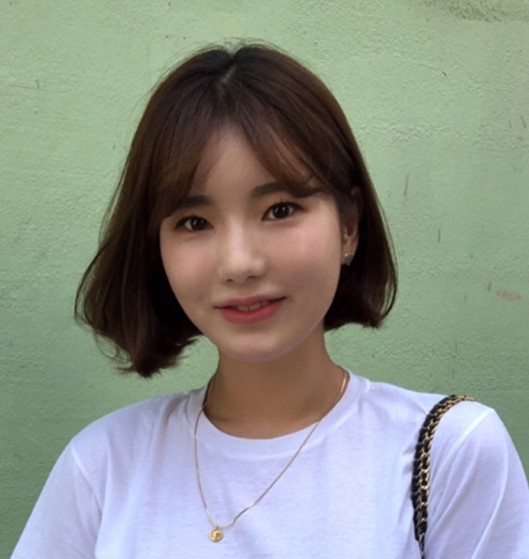 Sera SONG
When and where did you begin this sport?
She began fencing at junior high school in Geumsan County, Republic of Korea.
Why this sport?
Her physical education teacher suggested the sport to her.
Learn more→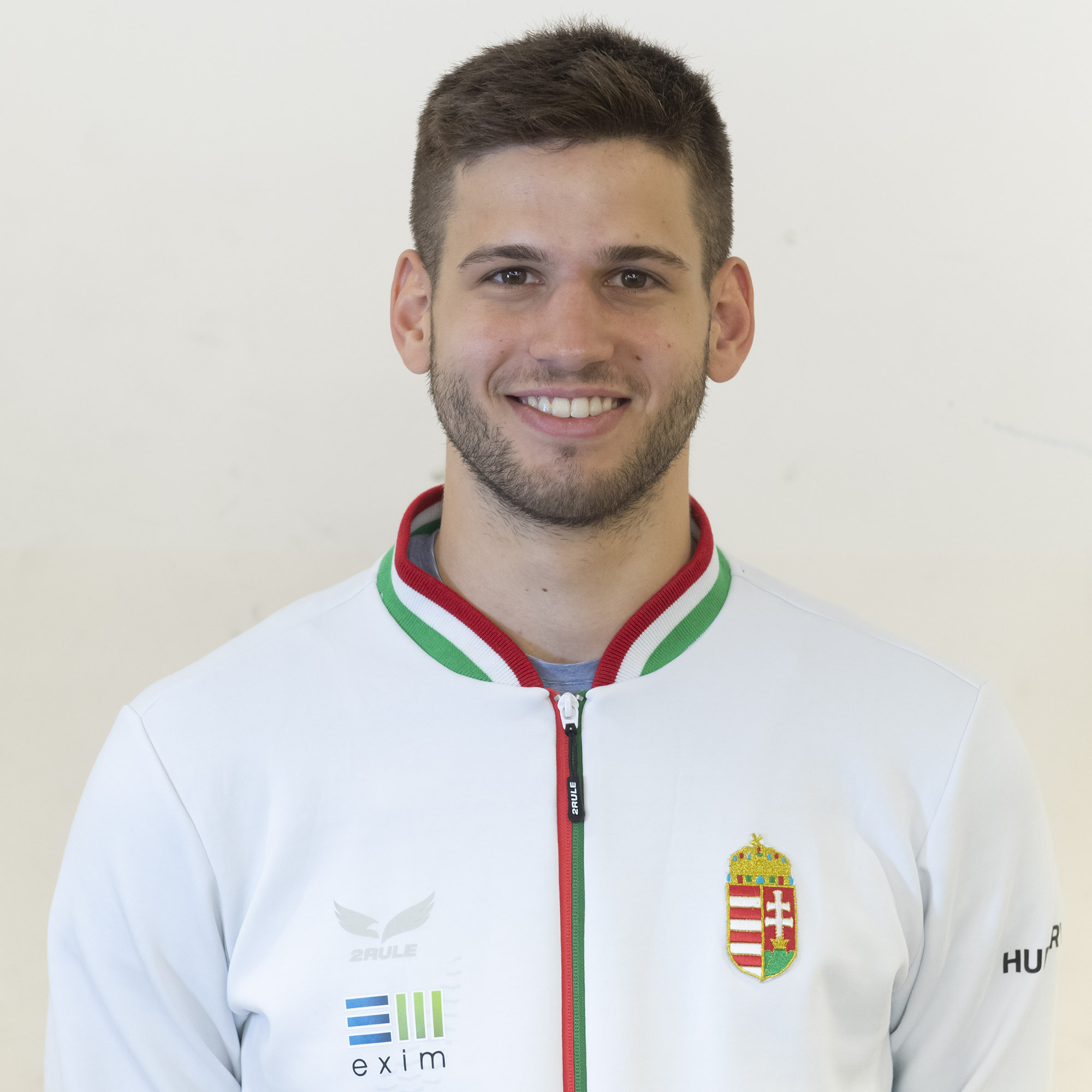 Gergely SIKLOSI
When and where did you begin this sport?
He began fencing at age seven. "I was doing it for fun until around 14 when I beat the Hungarian No. 1 at that time, and realised that this is serious, for real."
Why this sport?
"When I first tried [fencing], I felt like 'this is me'. Fencing is not only about physical or technical capabilities, it's also about mind games. It's not the fastest or the strongest who wins. It's the one who can put the whole cake together."
Learn more→Foil
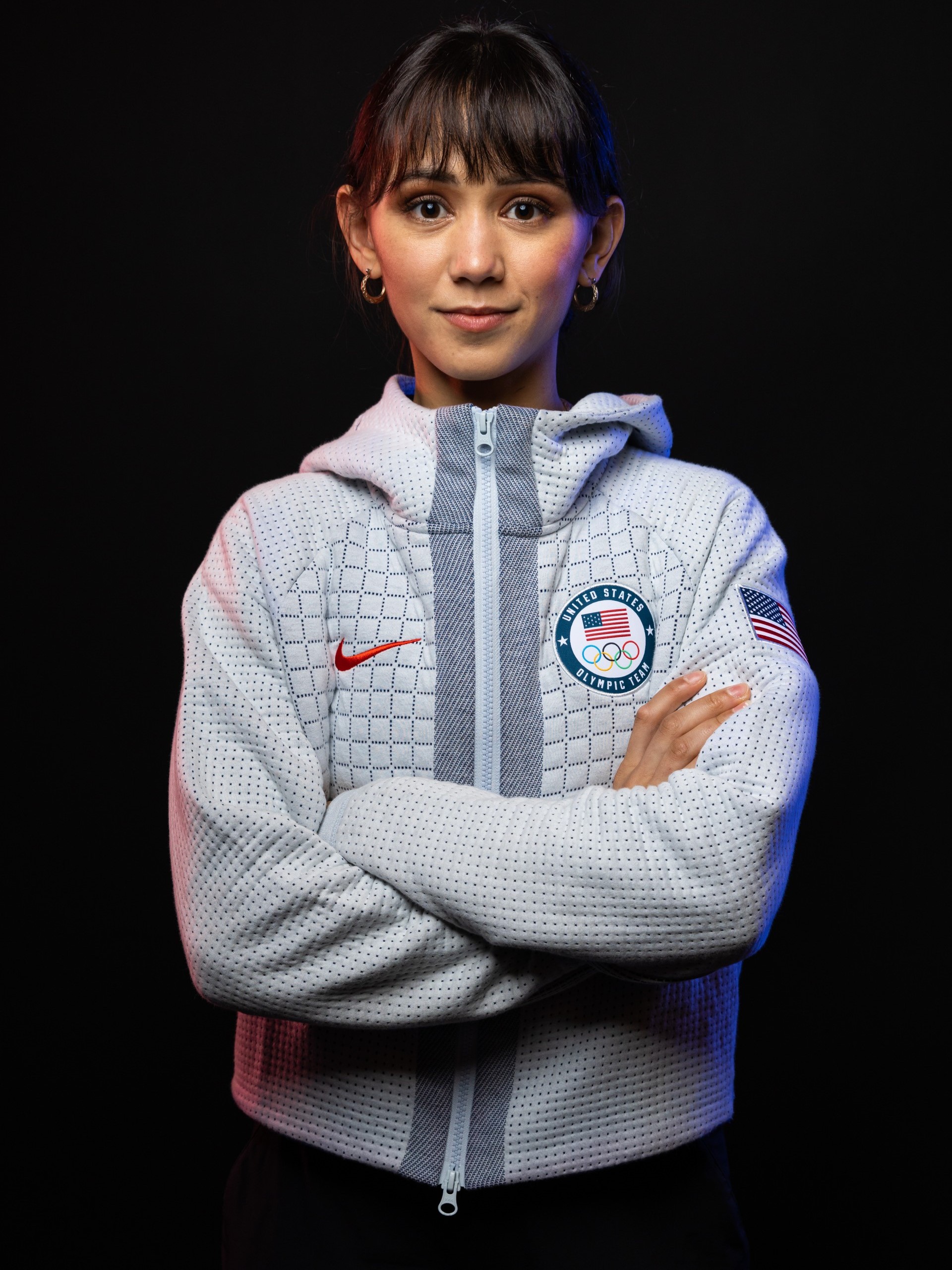 Lee KIEFER
When and where did you begin this sport?
She began fencing at age six after watching her father fence at a local competition. "My siblings and I thought the sport was strange and interesting-appearing, so my dad started teaching us the basics in our empty dining room and taking us to a club twice a week that was 1.5 hours away from where we lived."
Why this sport?
She and her brother and sister followed their father, Steve Kiefer, into the sport. "Growing up my dad decided that he wanted to take up fencing again. He hadn't picked up a foil in 10 or 15 years, and me and my siblings watched him compete at a local tournament. Then he asked if we wanted to try it, and we said yes. Twenty years later I'm still doing it."
Learn more→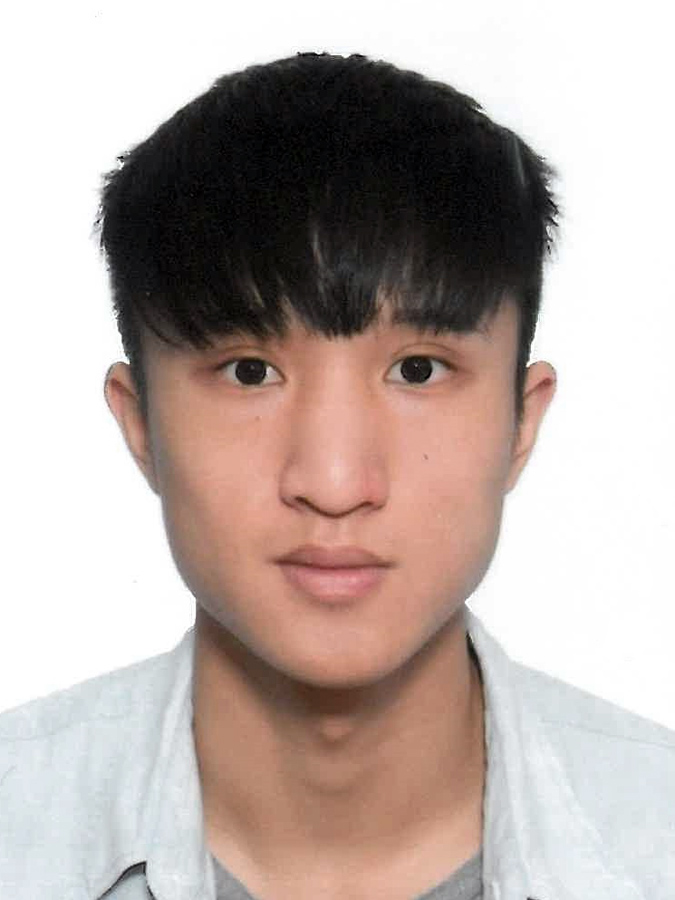 Chun Yin Ryan CHOI
When and where did you begin this sport?
He began fencing in grade four of primary school.
Why this sport?
His mother forced him to go to a fencing lesson. "I didn't really want to go, but my mother made me because it was run by a friend of hers and they wanted more students. But, after the class, I loved it and wanted to continue."
Learn more→Sabre
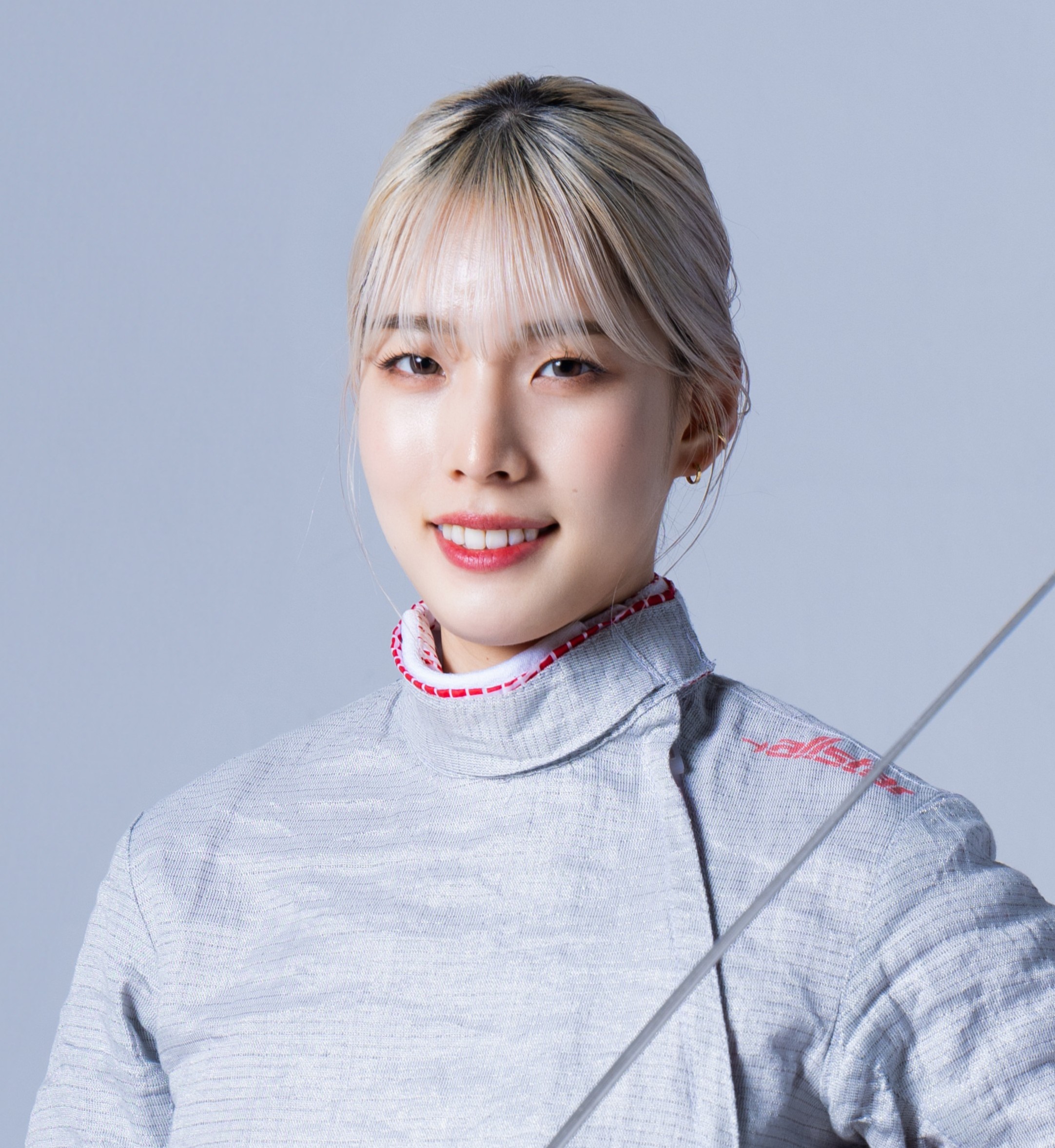 Misaki EMURA
When and where did you begin this sport?
She began fencing at age nine.
Why this sport?
She was encouraged to try the sport by her parents, and went to a fencing class where her father coached. She took up foil in grade three of primary school, but competed in sabre at a competition which had a prize of a jigsaw puzzle. She then switched to sabre before starting middle school.
Learn more→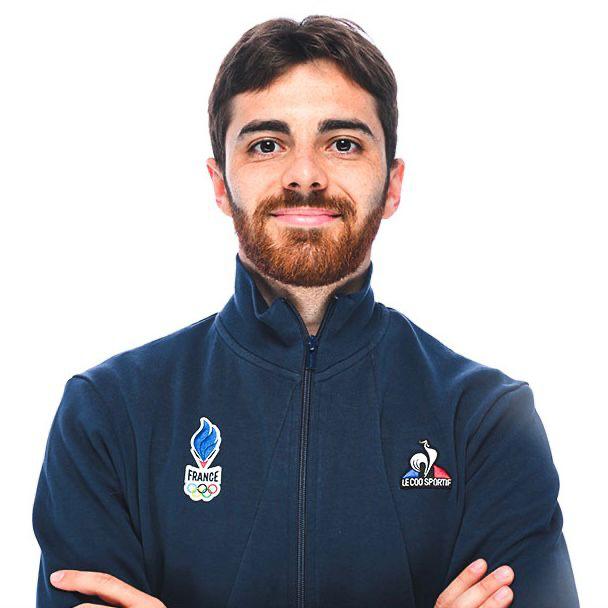 Jean-Philippe PATRICELearn more→
Results & Competitions
Latest Results
| Competition | Date | Weapon | Gender | Cat |
|---|---|---|---|---|
| Medellín | 2026-05-08 | epee | M | |
| Istanbul | 2026-05-03 | foil | F | |
| Istanbul | 2026-05-03 | foil | M | |
| Incheon | 2026-05-02 | sabre | F | |
| Incheon | 2026-05-01 | sabre | M |
Upcoming Competitions
| Competition | Date | Weapon | Gender | Cat |
|---|---|---|---|---|
| Medellín | 2026-05-09 | epee | F | |
| Shanghai | 2026-05-15 | foil | M | |
| Shanghai | 2026-05-16 | foil | F | |
| Cairo | 2026-05-22 | sabre | M | |
| St-Maur | 2026-05-22 | epee | F |
The audience driving this keyword is predominantly young and mobile-first. Data shows that:
At its core, refers to several overlapping entities within the Nigerian digital space. For many, it is a Tech Platform specializing in helping website owners and content creators navigate the hurdles of online monetization, specifically focusing on Google AdSense approvals and ad network reviews.
: Approximately 84% of the audience is male, with the largest group being 25–34 year olds. darknaija
The term also inevitably intersects with the "Dark Web" in a literal sense. As Nigeria’s digital economy grows, so does the exploitation of anonymous networks for financial fraud and identity theft. Organizations and researchers often use terms like "Dark Naija" to describe the sector of the internet where illicit activities are conducted via Tor networks and cryptocurrencies.
To understand the keyword "Darknaija," one must look at how it manifests across different niches: The audience driving this keyword is predominantly young
Because of this, the keyword often triggers "Adult Content" filters and is blocked by censorship policies in countries like China and Indonesia. Conclusion
: For aspiring digital entrepreneurs, Darknaija functions as a resource for "tech insights" and "language registers" necessary to communicate effectively in the global business market. It serves as a guide for those moving from social media "gossip" to creating high-value technical content for industries like corrosion management or tech startups. : Approximately 84% of the audience is male,
"Darknaija" is more than just a website; it is a reflection of the multifaceted nature of the Nigerian digital experience. It represents a space of for tech-savvy creators, a community for social media users seeking identity, and a shadow for those operating in the unregulated corners of the web. As Nigeria's 38.7 million social media users continue to grow, the influence of subcultures like Darknaija will likely only expand. Understanding the Meaning of 'Darknaija'
In the vast landscape of the Nigerian internet, few terms carry as much dual-weighted significance as . While the surface level of the Nigerian web—often referred to as "Naija" or "9ja"—is defined by its vibrant afrobeats culture, Nollywood stars, and social media influencers, the "Dark" prefix signals a shift into a more complex, often misunderstood digital ecosystem. What is Darknaija?
However, in the broader cultural context, the term has become a "marker of social identity," bridging the gap between traditional communication and modern internet slang. It often encapsulates a laid-back, resilient attitude toward the pressures of modern Nigerian life, particularly among the youth who frequent platforms like TikTok and Instagram. The Three Faces of Darknaija