Shopping cart

Your cart is currently empty.

In the film, Jessica famously utters the line, "I'm not bad, I'm just drawn that way." This single sentence encapsulates the character's core struggle: the battle between her hyper-sexualized appearance and her actual personality, which is loyal, intelligent, and deeply devoted to her husband. The fascination with Jessica Rabbit often centers on this visual subversion. Artists and animators at Disney and Amblin worked meticulously to create a character that felt "too big" for the medium of 1940s-style hand-drawn animation, leading to her enduring status in pop culture.

Beyond the silver screen, Jessica Rabbit has inspired decades of fashion, makeup artistry, and cosplay. The "Jessica Rabbit look"—defined by a shimmering red sequined gown, purple evening gloves, and a deep side part—is a staple of high-fashion editorials and red-carpet homages. Makeup enthusiasts frequently attempt to replicate her exaggerated "heavy lid" look, which utilizes dramatic eyeshadow and sweeping lashes to create that signature "bedroom eyes" aesthetic.

The character’s legacy is also deeply tied to the technical mastery of the film itself. Combining live-action with animation in 1988 required groundbreaking techniques, including the use of real-world lighting on animated cels to give Jessica a three-dimensional presence. This attention to detail is why, decades later, fans still seek out full retrospectives and deep dives into her creation, her role in the "Toontown" universe, and her impact on the evolution of adult-oriented animation. Whether viewed as a parody of film noir tropes or a genuine celebration of mid-century beauty, Jessica Rabbit remains an unforgettable figure in cinematic history.

The cult of Jessica Rabbit remains one of the most fascinating intersections of animation and classic Hollywood glamour. Since her debut in the 1988 film Who Framed Roger Rabbit , she has transcended the screen to become a global icon of the "femme fatale" archetype. Her design—a masterful blend of Rita Hayworth’s elegance, Veronica Lake’s peek-a-boo hair, and Lauren Bacall’s smoky confidence—was intended to push the boundaries of what an animated character could represent.

Rabbit Full [better]: Facial Abuse Jessica

Ribbon background image Apr,2026,03
Main dishes
Main dishes

Toast Pizza

Enjoy making healthy toast pizza quickly and easily with nutritious ingredients perfect for any time...

85K
383K
READ DETAILS
Ribbon background image Feb,2026,20
snack
snack

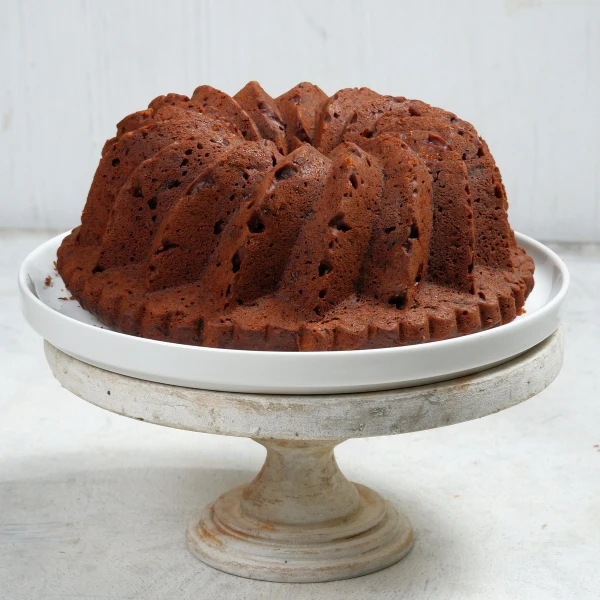
Healthy Chocolate Cake

Healthy chocolate cake with cocoa and simple ingredients found at home

136K
42K
READ DETAILS
Ribbon background image Dec,2025,30
Main dishes
Main dishes

Healthy Chicken Shawarma

Healthy homemade shawarma recipe, easy to prepare, low in fat and perfect for a healthy diet

112K
98K
READ DETAILS
Ribbon background image Dec,2025,18
Main dishes
Main dishes

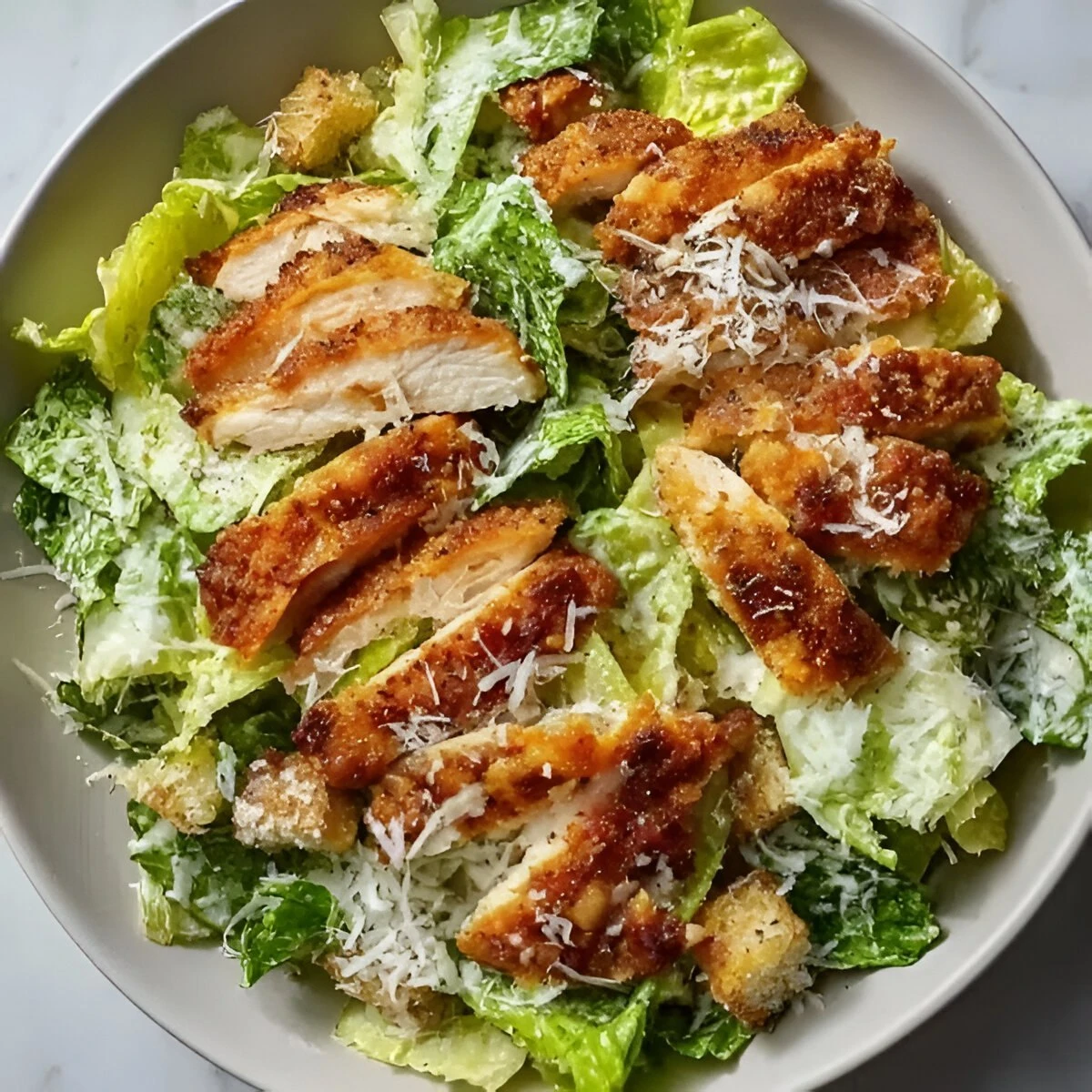
Healthy Caesar Salad

Learn how to make a healthy Caesar salad with simple steps, light ingredients, and a nutritious dres...

60K
46K
READ DETAILS

Rabbit Full [better]: Facial Abuse Jessica

In the film, Jessica famously utters the line, "I'm not bad, I'm just drawn that way." This single sentence encapsulates the character's core struggle: the battle between her hyper-sexualized appearance and her actual personality, which is loyal, intelligent, and deeply devoted to her husband. The fascination with Jessica Rabbit often centers on this visual subversion. Artists and animators at Disney and Amblin worked meticulously to create a character that felt "too big" for the medium of 1940s-style hand-drawn animation, leading to her enduring status in pop culture.

Beyond the silver screen, Jessica Rabbit has inspired decades of fashion, makeup artistry, and cosplay. The "Jessica Rabbit look"—defined by a shimmering red sequined gown, purple evening gloves, and a deep side part—is a staple of high-fashion editorials and red-carpet homages. Makeup enthusiasts frequently attempt to replicate her exaggerated "heavy lid" look, which utilizes dramatic eyeshadow and sweeping lashes to create that signature "bedroom eyes" aesthetic.

The character’s legacy is also deeply tied to the technical mastery of the film itself. Combining live-action with animation in 1988 required groundbreaking techniques, including the use of real-world lighting on animated cels to give Jessica a three-dimensional presence. This attention to detail is why, decades later, fans still seek out full retrospectives and deep dives into her creation, her role in the "Toontown" universe, and her impact on the evolution of adult-oriented animation. Whether viewed as a parody of film noir tropes or a genuine celebration of mid-century beauty, Jessica Rabbit remains an unforgettable figure in cinematic history.

The cult of Jessica Rabbit remains one of the most fascinating intersections of animation and classic Hollywood glamour. Since her debut in the 1988 film Who Framed Roger Rabbit , she has transcended the screen to become a global icon of the "femme fatale" archetype. Her design—a masterful blend of Rita Hayworth’s elegance, Veronica Lake’s peek-a-boo hair, and Lauren Bacall’s smoky confidence—was intended to push the boundaries of what an animated character could represent.