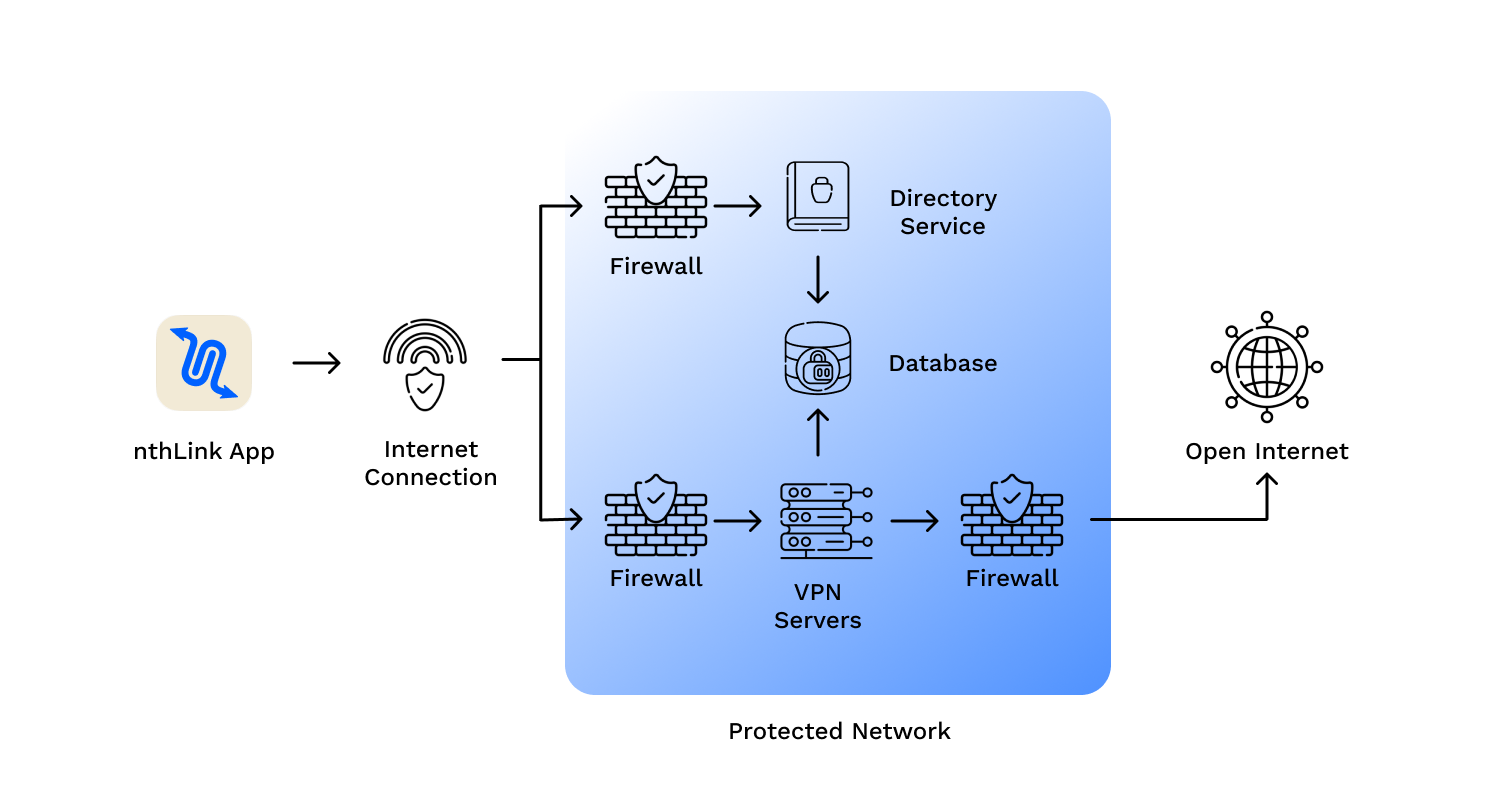
Unlike many VPNs that store often-obsolete address lists in their apps, nthLink’s mobile app can connect to the Internet even when it has been a long time since you have used it.
The nthLink app calculates fresh server addresses based on where you are and the device you are using, enabling you to connect even in locations where many of its addresses are being blocked. It keeps trying until it finds a secure connection for you.
How it works
Our Promise
Simplicity
Just install and tap the button and you’re online – inside a reliable and secure network.
Privacy
We do not track your activities and use best data minimization practices for our server infrastructure.
Security
nthLink uses the strongest available encryption standards so your Internet traffic cannot be inspected.
Familytherapyxxx 20 01 16 Billi Bardot Mother A !!top!! < Plus >
The digital landscape is a living organism, constantly reshaped by how we consume, share, and create. When we look at , we aren't just looking at a specific date or a string of numbers; we are looking at a pivotal era where the "old world" of traditional broadcasting fully merged with the "new world" of algorithmic discovery and social influence.
The mid-2010s marked the professionalization of the "influencer." Content creators on YouTube, Instagram, and Vine (before its sunset) became the new A-list celebrities. This era of entertainment content was characterized by:
By 2016, the transition from linear television to streaming services was no longer a trend—it was the standard. Platforms like Netflix and Hulu moved from being libraries of old movies to powerhouses of original content. This shift fundamentally changed the "watercooler effect." Instead of everyone watching the same show on a Tuesday night, popular media became fragmented, driven by and social media spoilers. 2. The Rise of the Influencer Class familytherapyxxx 20 01 16 billi bardot mother a
Using viewer analytics to decide which shows get greenlit and which tropes are "trending." Final Thoughts
Culturally, 2016 was a year of massive shifts. From the global phenomenon of Pokémon GO —which redefined how we use mobile media in public spaces—to the intense political discourse that dominated social feeds, the "20 01 16" era represents the moment media became truly inescapable. It was the year we realized that our digital entertainment and our real-world lives were permanently intertwined. 5. The Legacy of Mid-2010s Content The digital landscape is a living organism, constantly
The bite-sized, high-energy format that captures shrinking attention spans.
Understanding is essential for anyone looking to navigate the modern digital world. It was the era that taught us that attention is the new currency, and content is the most powerful tool for connection. As we move further into the decade, the foundations laid during this time continue to dictate how we laugh, learn, and link up with the world around us. This era of entertainment content was characterized by:
Creators bypassing traditional gatekeepers to launch brands and media empires.
The period around early 2016 saw a surge in experimentation with how stories were told. Virtual Reality (VR) and Augmented Reality (AR) began to leak into the mainstream. Entertainment content was no longer a one-way street. Popular media started incorporating interactive elements, allowing audiences to vote on outcomes or explore 360-degree environments, blurring the line between gaming and traditional cinema. 4. Why 2016 Remains a Cultural Touchstone
Media was no longer just consumed; it was "remixed" through memes and challenges. 3. Tech Meets Narrative: Interactive Media