

Open Choice Desktop //free\\ -
Download the Punjab Startup Entrepreneurship Mindset App and launch your first business with ease – all from your phone.




Download the Punjab Startup Entrepreneurship Mindset App and launch your first business with ease – all from your phone.
Complete one milestone per week and build a real business with real customers and real revenue

Three powerful reasons why this program transforms
students
into successful entrepreneurs
No endless theory or boring lectures. From day one, you'll take real actions that build your actual business. Every task moves you closer to your first sale and sustainable income.


Reach out to faculty and mentors directly through the app. Stuck on a task? Ask your questions, and get the help you need to keep moving forward.
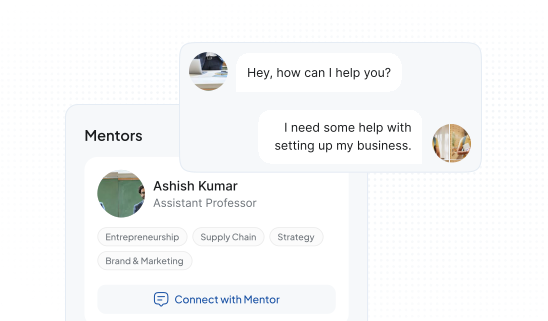

Chat directly with our AI for help on any task. Whether it's launching your business or crafting your sales pitch, our AI is available 24/7 to guide you every step of the way.
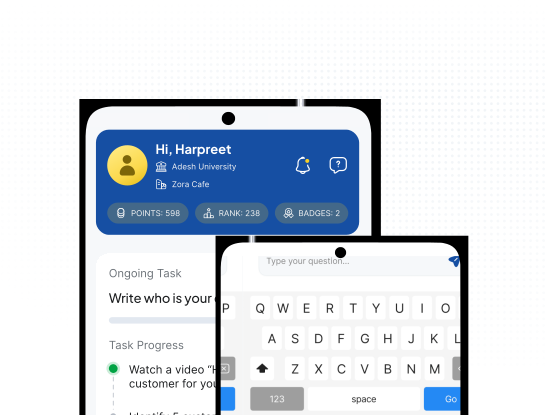

Watch this quick video to see how the Punjab Startup Entrepreneurship Mindset App guides you in launching and building your own business
Furthermore, the rise of remote and hybrid work has made the traditional corporate desktop obsolete. Employees now need to transition seamlessly between office workstations, home laptops, and mobile devices. An open choice framework utilizes cloud-based management tools to push configurations and security policies to any device, regardless of the brand or OS, ensuring a consistent experience everywhere. Technical Implementation and Security
The concept of an open choice desktop represents a fundamental shift in how organizations manage digital workspaces. Rather than forcing employees into a rigid, one-size-fits-all hardware or software environment, this model prioritizes flexibility, user preference, and cross-platform compatibility.
By embracing open choice today, organizations are not just solving a hardware problem; they are building a culture of flexibility and trust that will define the successful workplace of the future. open choice desktop
Financially, while the initial setup of diverse management tools may seem daunting, open choice often leads to lower long-term costs. Employees who choose their own devices tend to take better care of them, leading to longer hardware lifecycles. Additionally, the reduction in basic "how-to" help desk calls allows IT staff to focus on high-value strategic projects rather than password resets and OS troubleshooting. The Future of the Workspace
The push toward open choice desktops is fueled by the consumerization of IT. Modern professionals often have more powerful and personalized technology at home than they do in the office. When forced to use locked-down, legacy systems, productivity often suffers. By adopting an open choice approach, companies tap into the "familiarity bonus"—the measurable increase in speed and decrease in support tickets that occurs when an employee uses a system they already know and love. Furthermore, the rise of remote and hybrid work
At its core, an open choice desktop strategy allows users to select the operating system, device type, and application suite that best fits their specific workflow. Whether an employee thrives on macOS, requires the deep customization of Linux, or relies on the industry-standard tools of Windows, the open choice model ensures that the underlying IT infrastructure supports them all with equal security and performance. The Drivers of the Open Choice Movement
Implementing an open choice desktop environment requires a move away from traditional imaging and toward modern management. Instead of creating a single "golden image" that must be painstakingly updated for every hardware revision, IT teams use Unified Endpoint Management (UEM) solutions. Technical Implementation and Security The concept of an
The advantages of an open choice desktop strategy extend into recruitment and retention. In a competitive labor market, the ability to offer a "choose your own device" (CYOD) program is a significant perk. It signals that a company values its employees' autonomy and is invested in providing a modern, high-tech work environment.
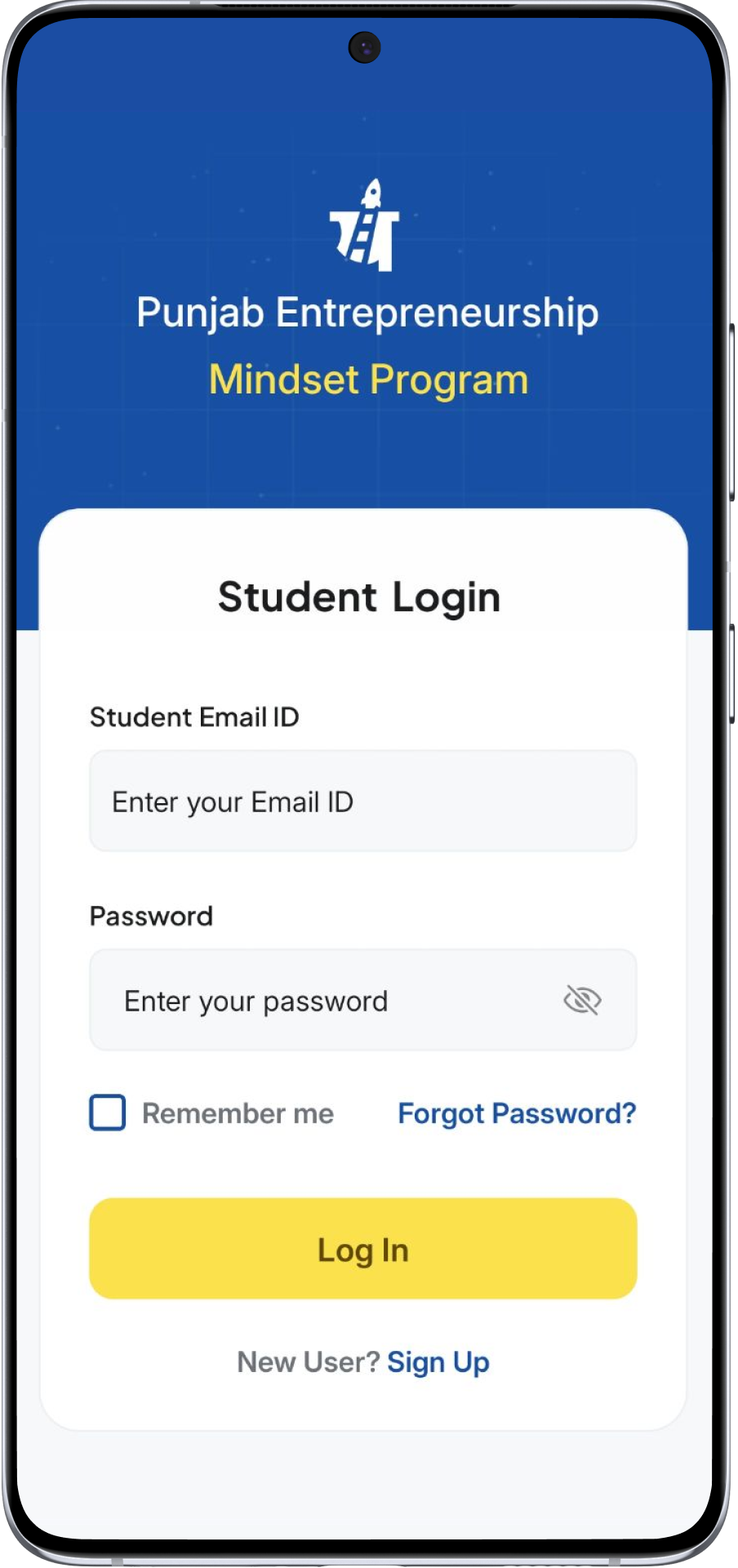
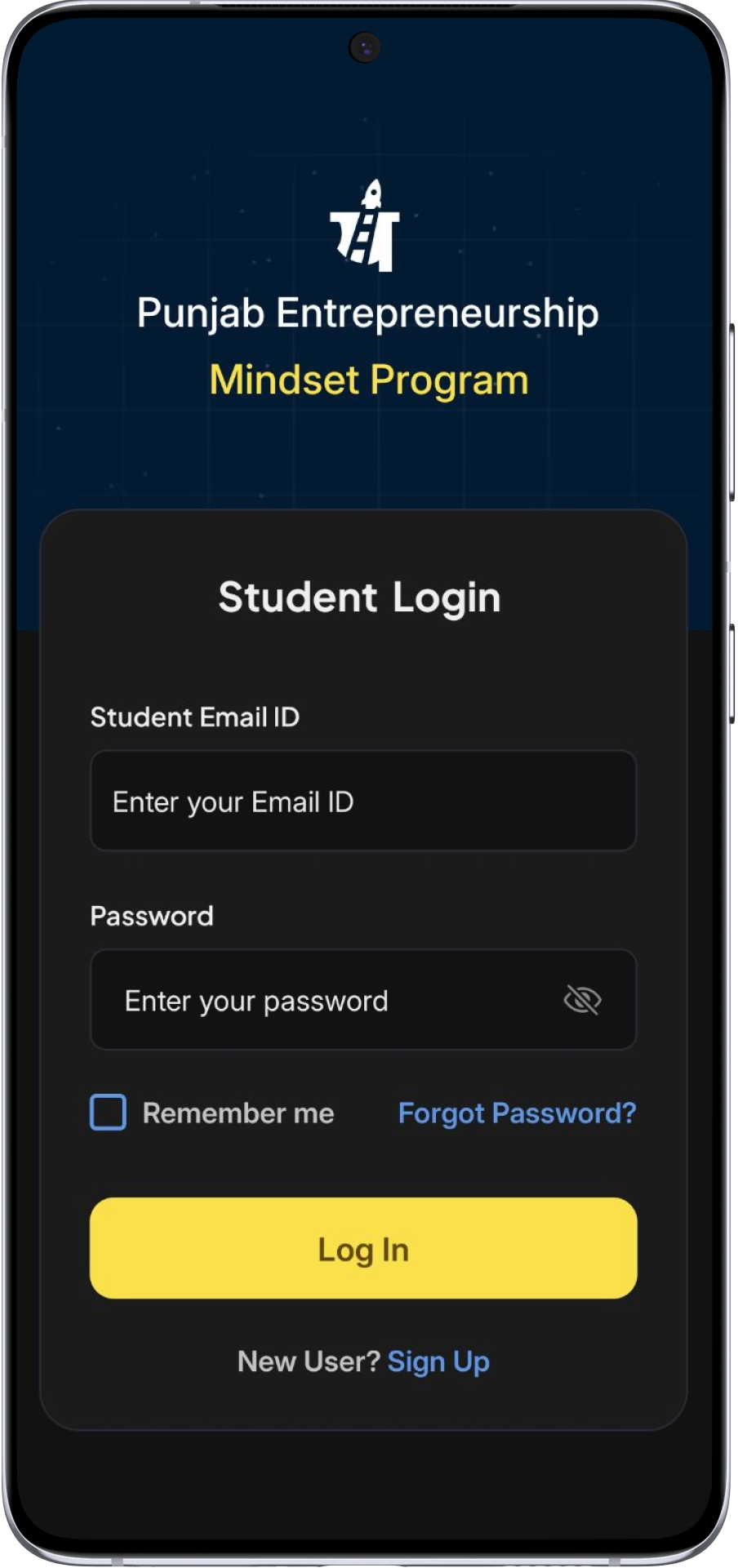
Login or Sign Up on the app
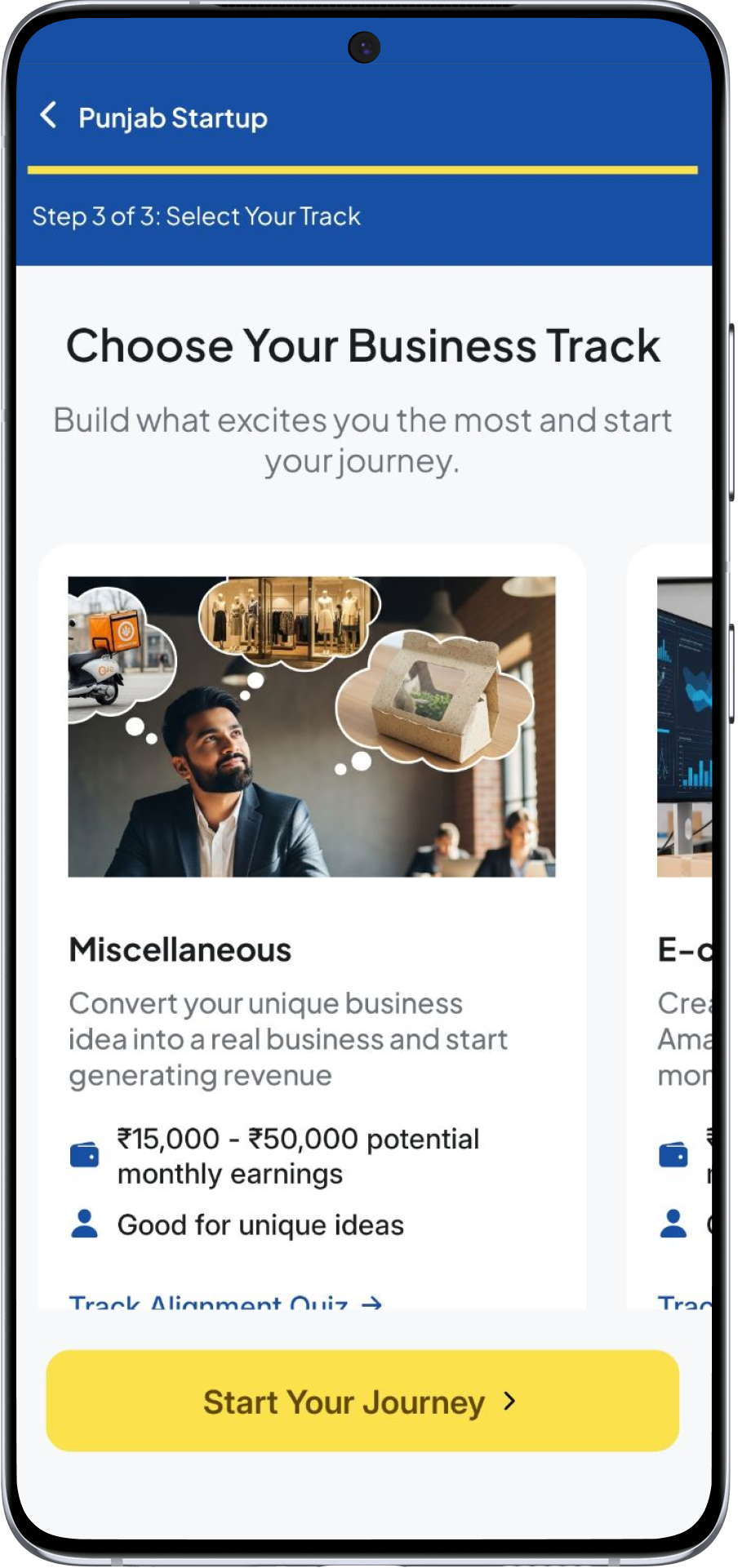
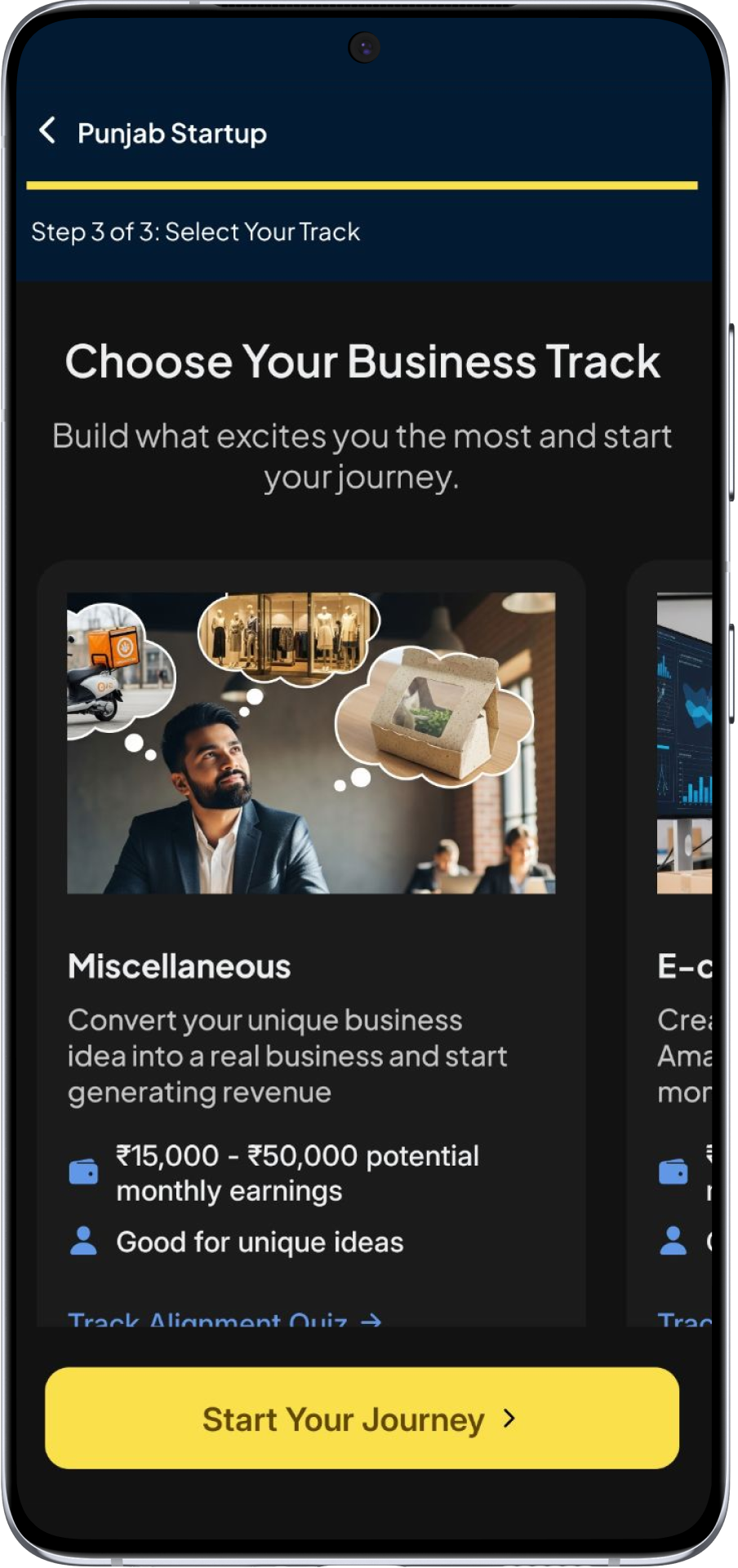
Choose the track of your choice
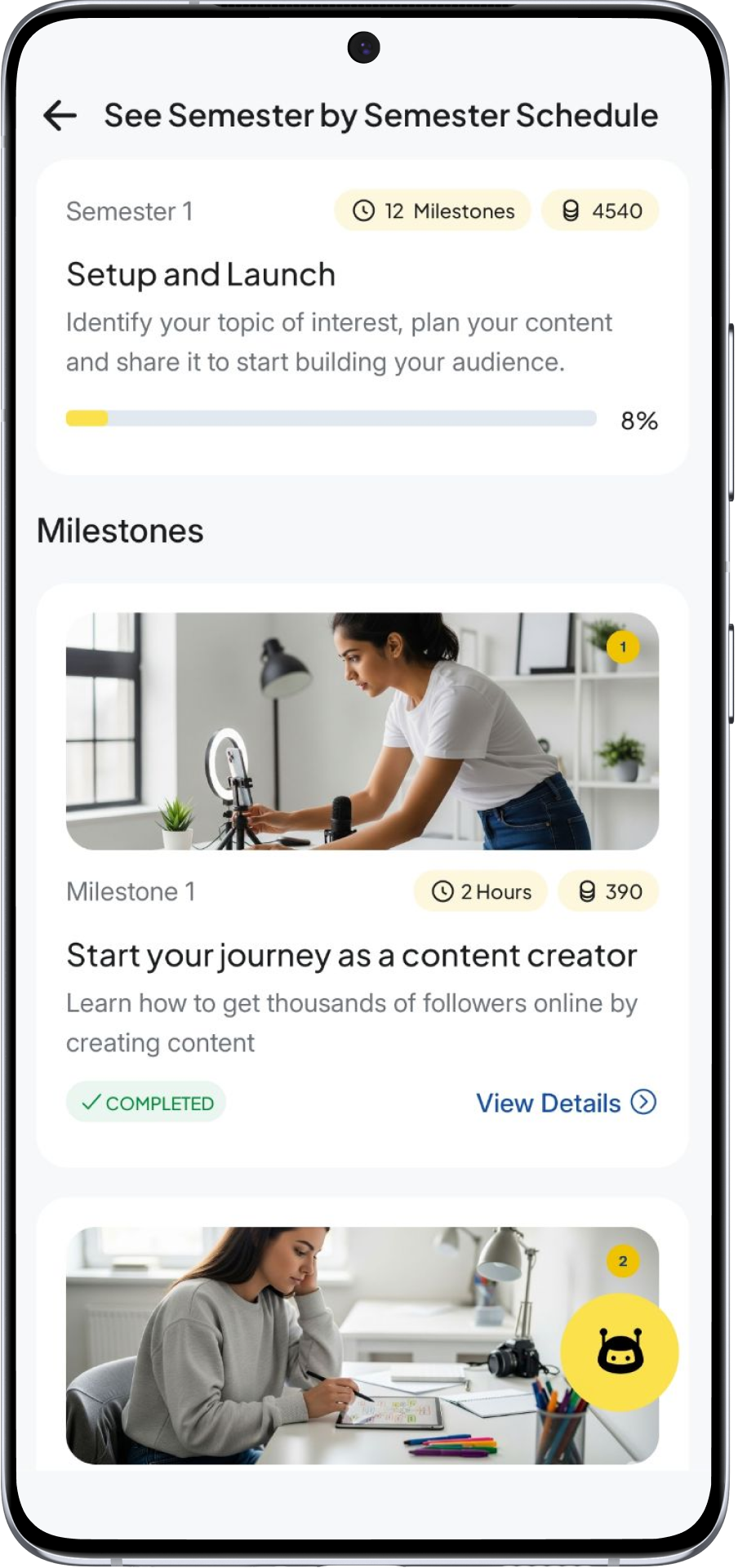
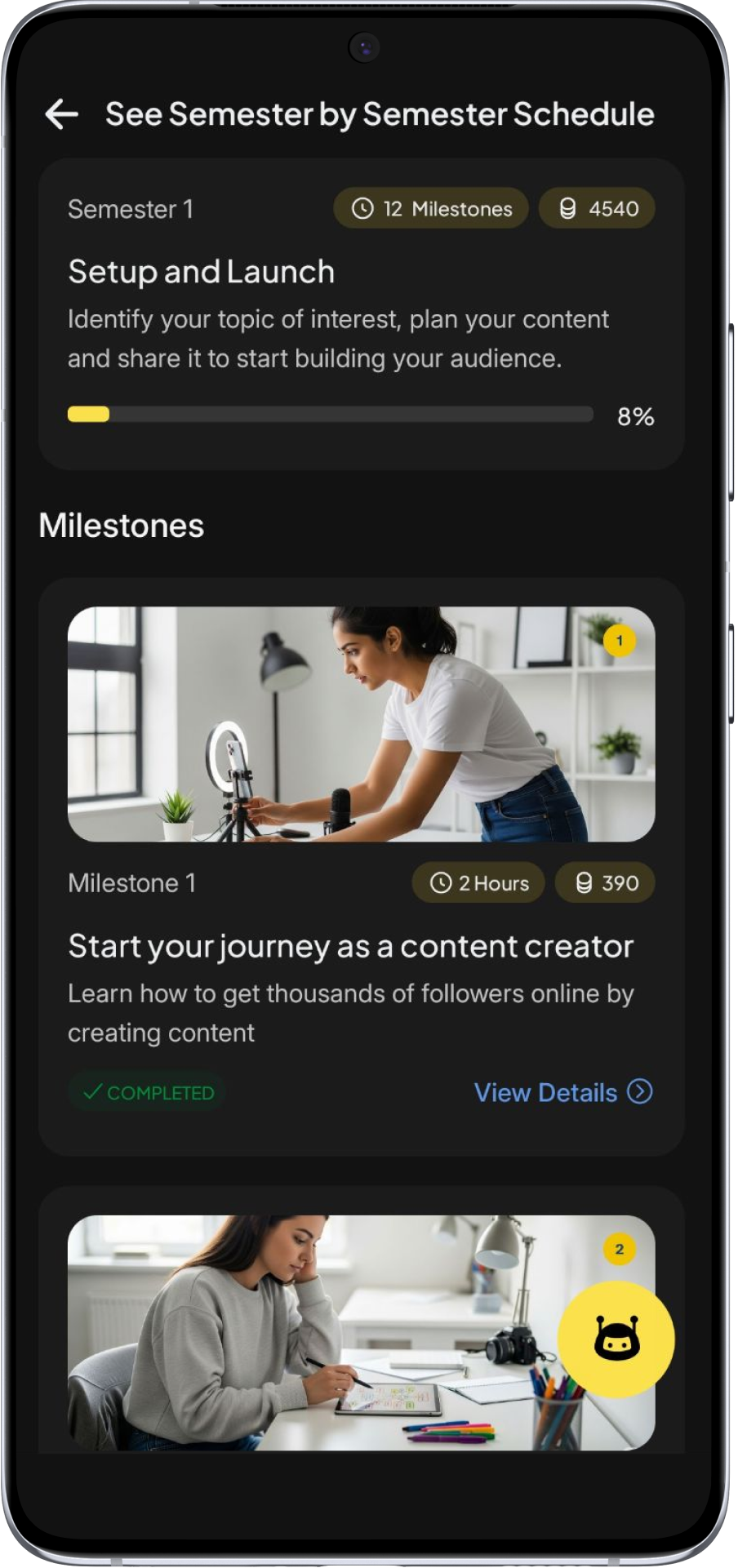
Complete milestones and tasks
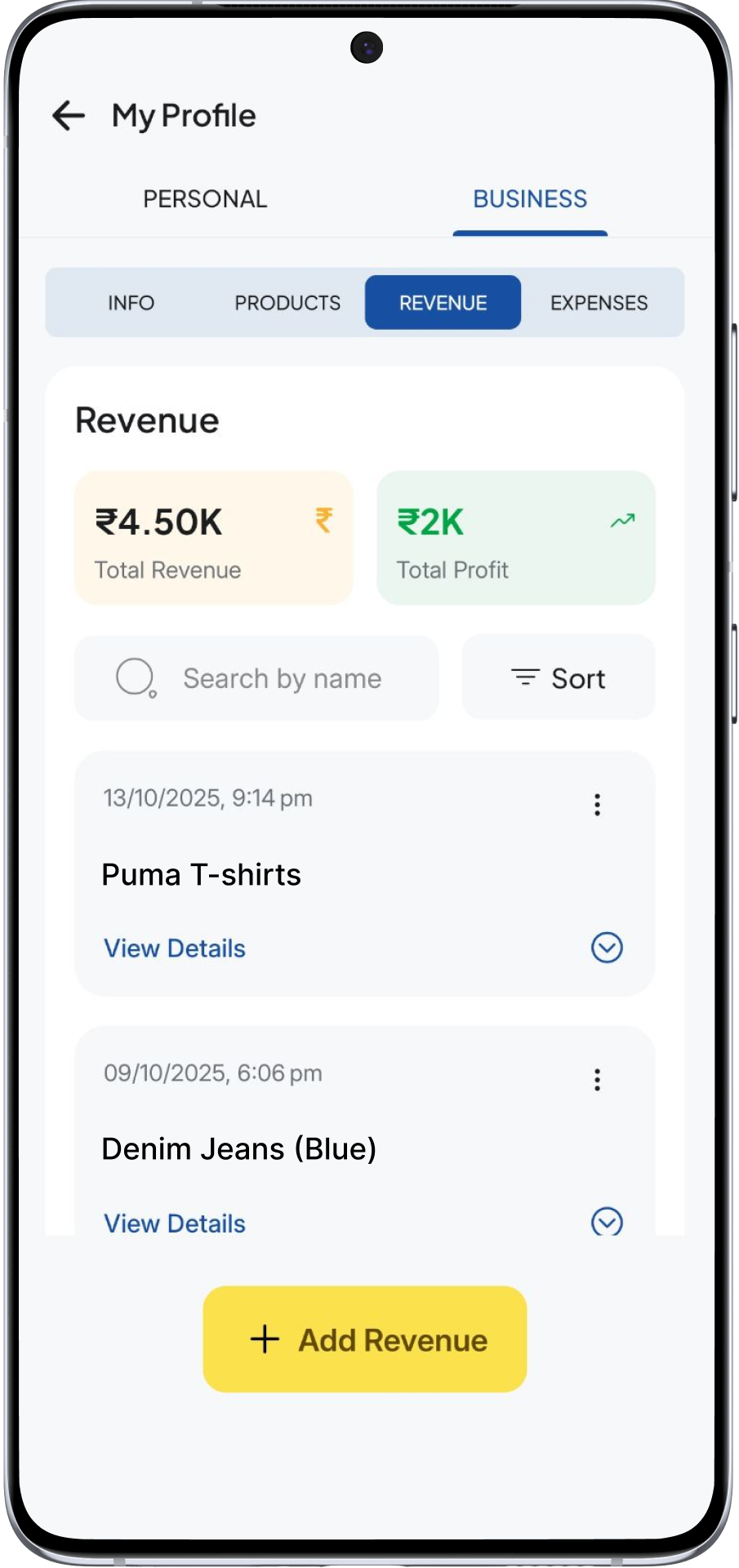
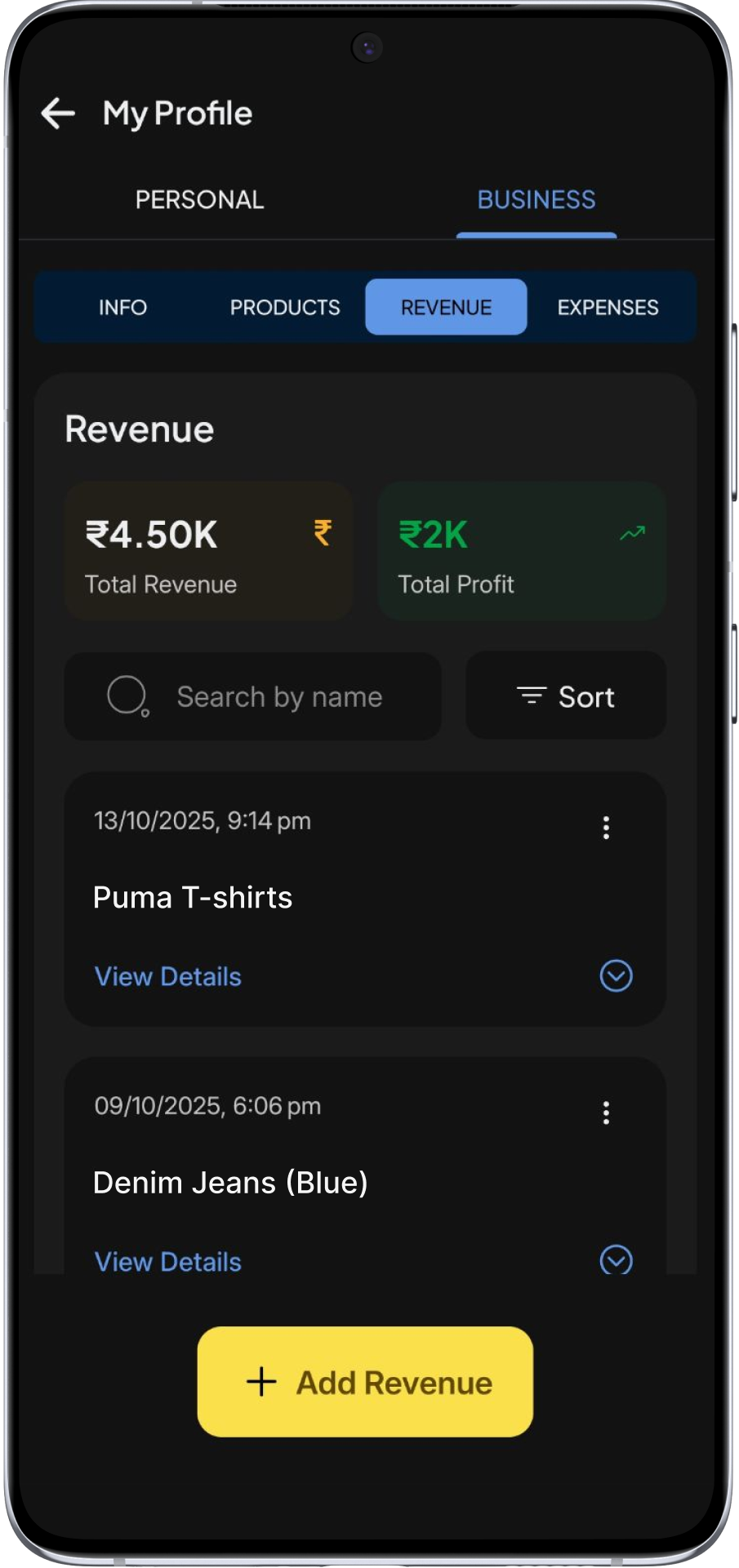
Generate revenue and
build real business
Every success story here began with one decision: to start.
Furthermore, the rise of remote and hybrid work has made the traditional corporate desktop obsolete. Employees now need to transition seamlessly between office workstations, home laptops, and mobile devices. An open choice framework utilizes cloud-based management tools to push configurations and security policies to any device, regardless of the brand or OS, ensuring a consistent experience everywhere. Technical Implementation and Security
The concept of an open choice desktop represents a fundamental shift in how organizations manage digital workspaces. Rather than forcing employees into a rigid, one-size-fits-all hardware or software environment, this model prioritizes flexibility, user preference, and cross-platform compatibility.
By embracing open choice today, organizations are not just solving a hardware problem; they are building a culture of flexibility and trust that will define the successful workplace of the future.
Financially, while the initial setup of diverse management tools may seem daunting, open choice often leads to lower long-term costs. Employees who choose their own devices tend to take better care of them, leading to longer hardware lifecycles. Additionally, the reduction in basic "how-to" help desk calls allows IT staff to focus on high-value strategic projects rather than password resets and OS troubleshooting. The Future of the Workspace
The push toward open choice desktops is fueled by the consumerization of IT. Modern professionals often have more powerful and personalized technology at home than they do in the office. When forced to use locked-down, legacy systems, productivity often suffers. By adopting an open choice approach, companies tap into the "familiarity bonus"—the measurable increase in speed and decrease in support tickets that occurs when an employee uses a system they already know and love.
At its core, an open choice desktop strategy allows users to select the operating system, device type, and application suite that best fits their specific workflow. Whether an employee thrives on macOS, requires the deep customization of Linux, or relies on the industry-standard tools of Windows, the open choice model ensures that the underlying IT infrastructure supports them all with equal security and performance. The Drivers of the Open Choice Movement
Implementing an open choice desktop environment requires a move away from traditional imaging and toward modern management. Instead of creating a single "golden image" that must be painstakingly updated for every hardware revision, IT teams use Unified Endpoint Management (UEM) solutions.
The advantages of an open choice desktop strategy extend into recruitment and retention. In a competitive labor market, the ability to offer a "choose your own device" (CYOD) program is a significant perk. It signals that a company values its employees' autonomy and is invested in providing a modern, high-tech work environment.