
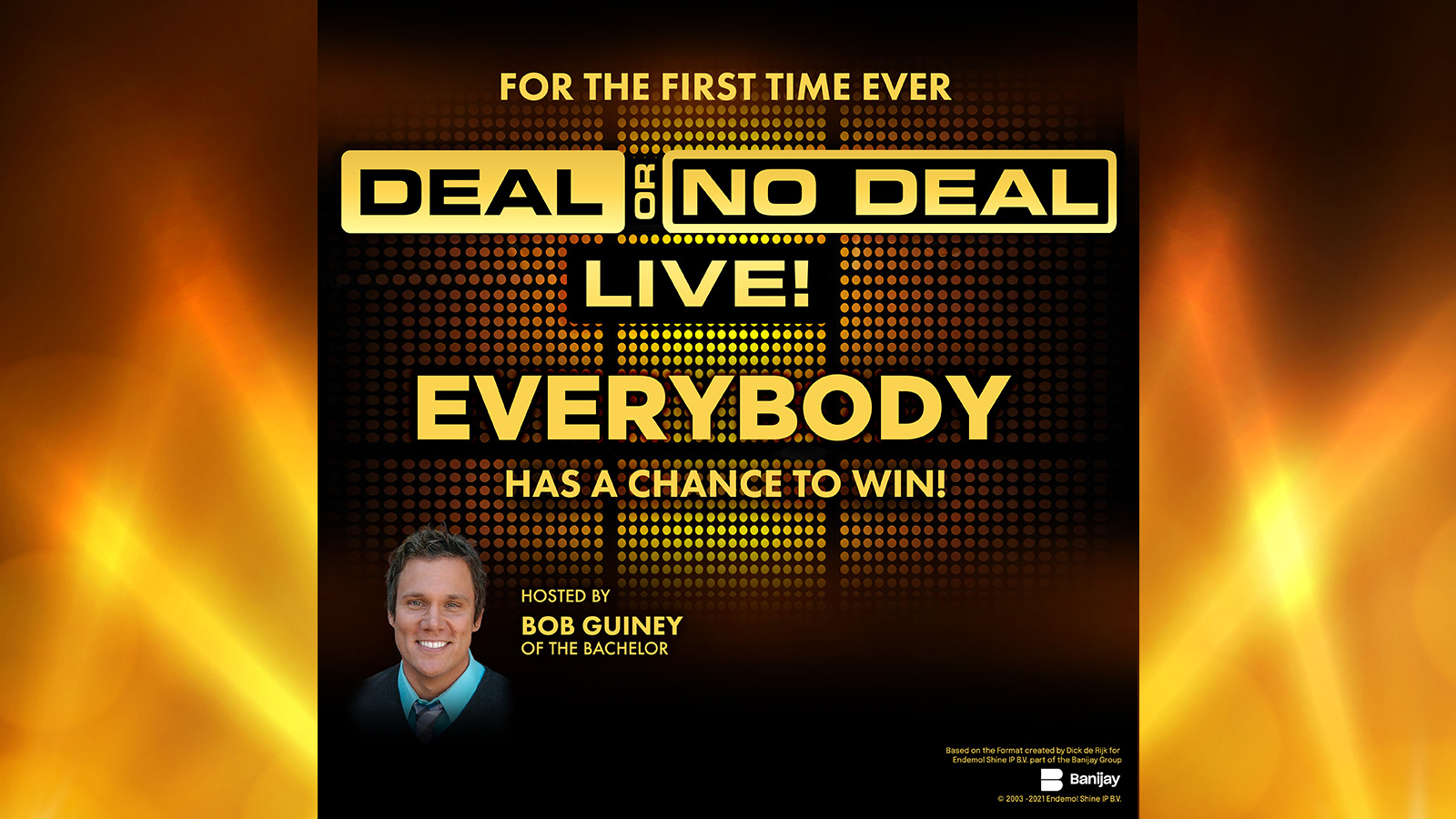
A global pop culture sensation, for the first time ever in the US fans will have a chance to compete in front of a live audience to win cash prizes.
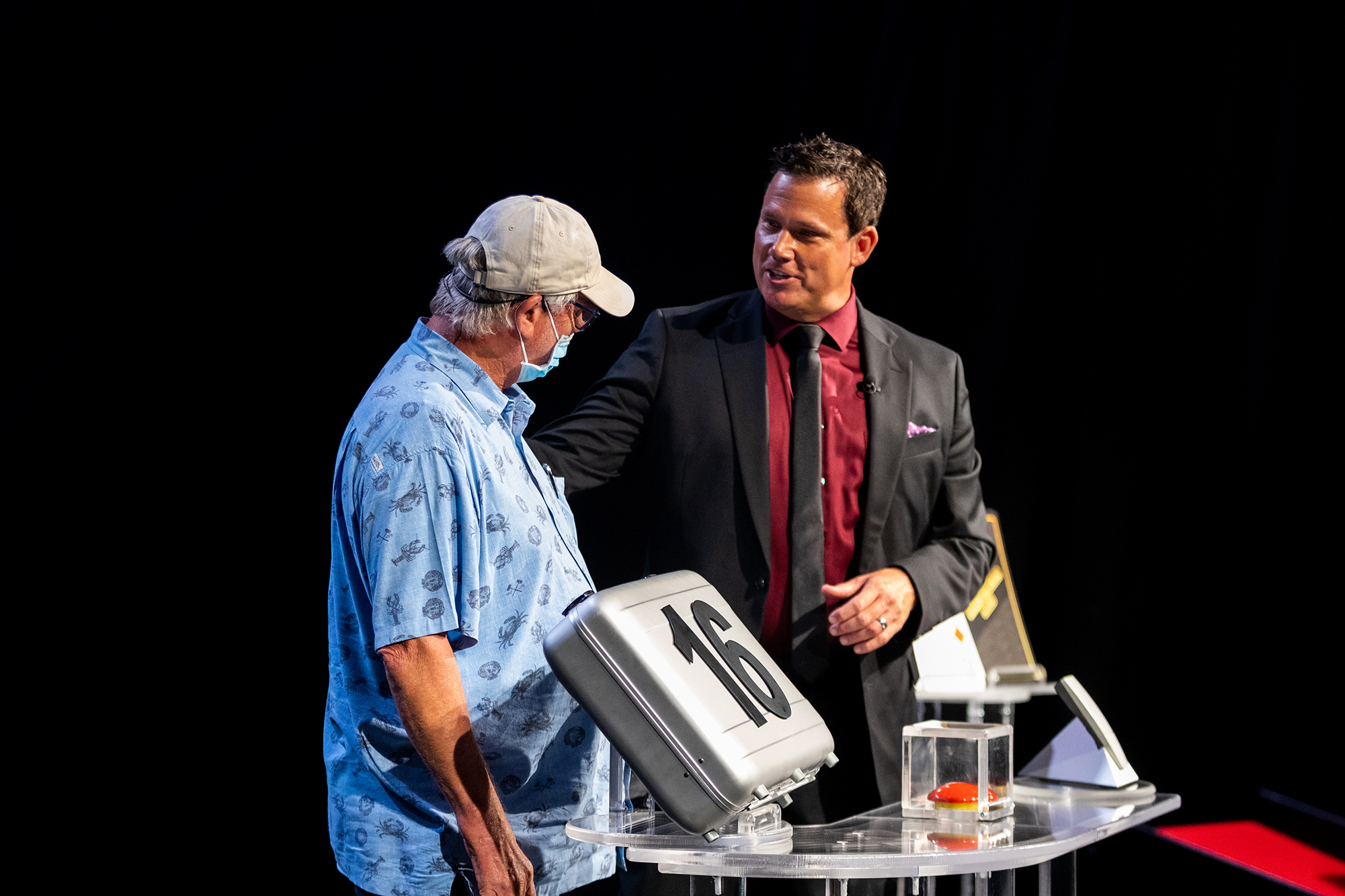
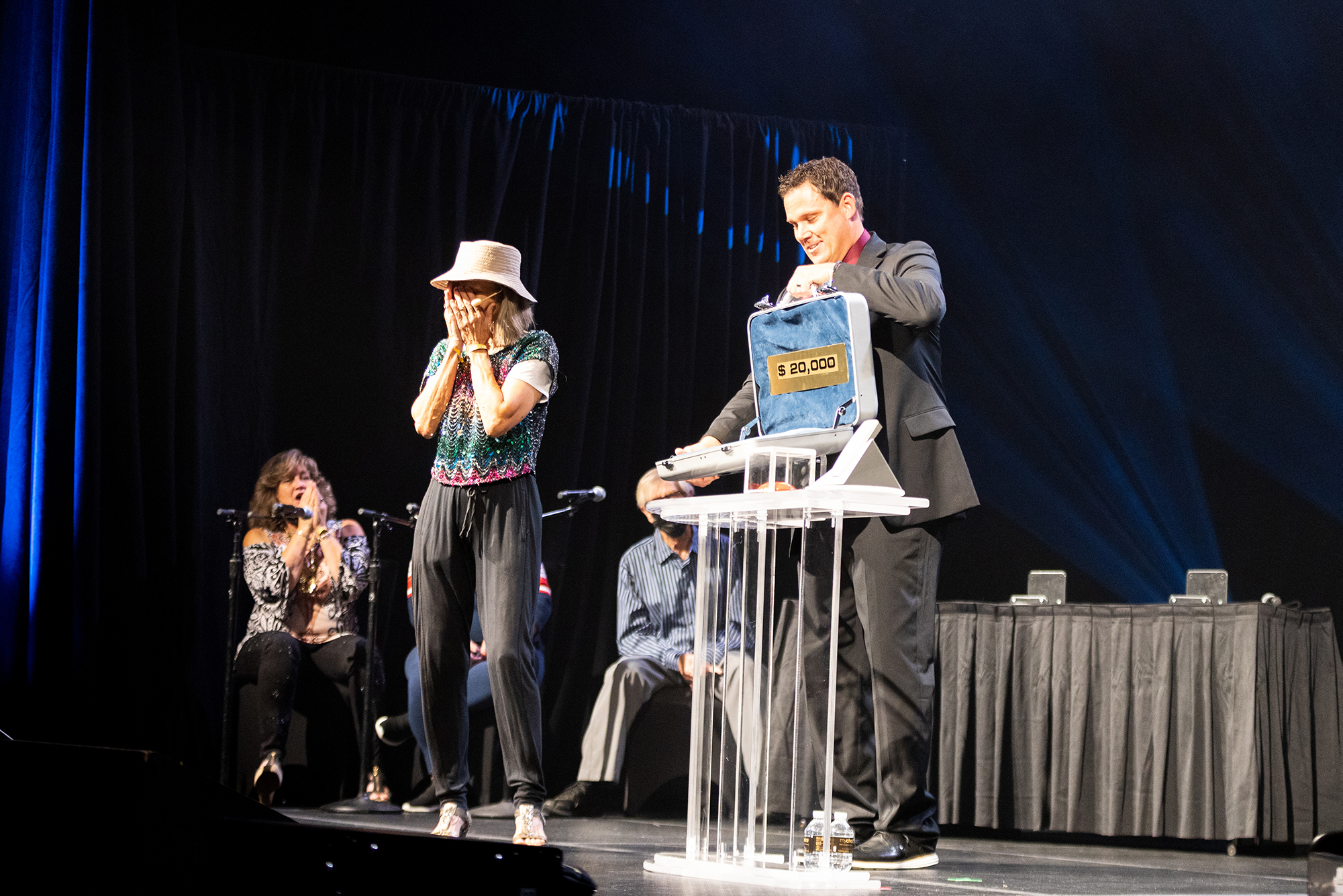
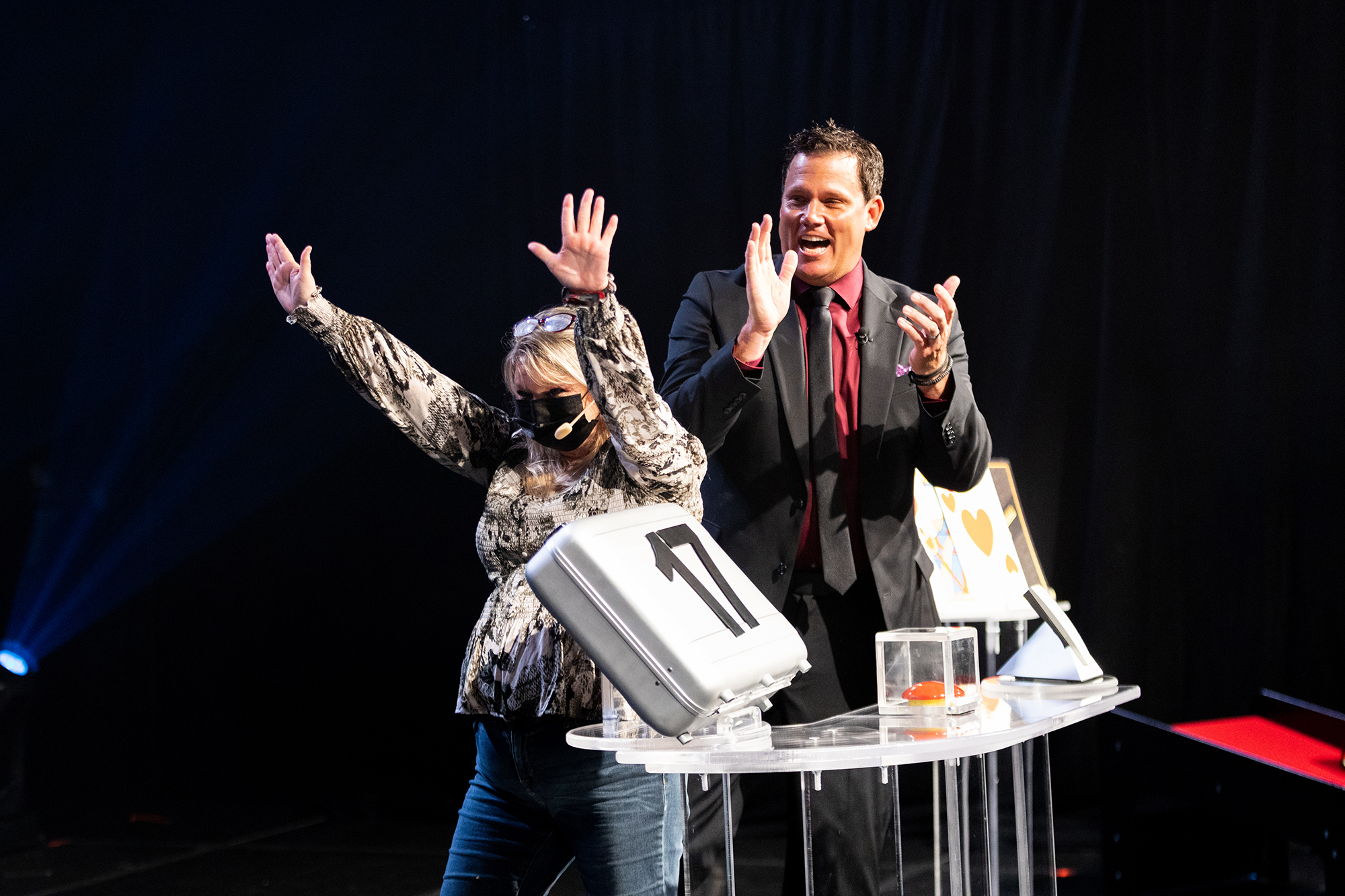
Based on the beloved game show Deal or No Deal, this exciting new stage production will provide fans the chance to select the winning case or make a deal with the banker – just like the television show. With a set replicating what fans enjoyed on TV, each show will consist of randomly selected audience members that will have a chance to compete on-stage against the banker in their own individualized game.
Each contestant will have the option of bringing up to 5 friends and family on-stage as their advisors – all so they can outwit the banker. In addition to the individual contestant games, Deal or No Deal LIVE! will feature "mini-games" throughout the show so audience members have a chance to walk away a winner.
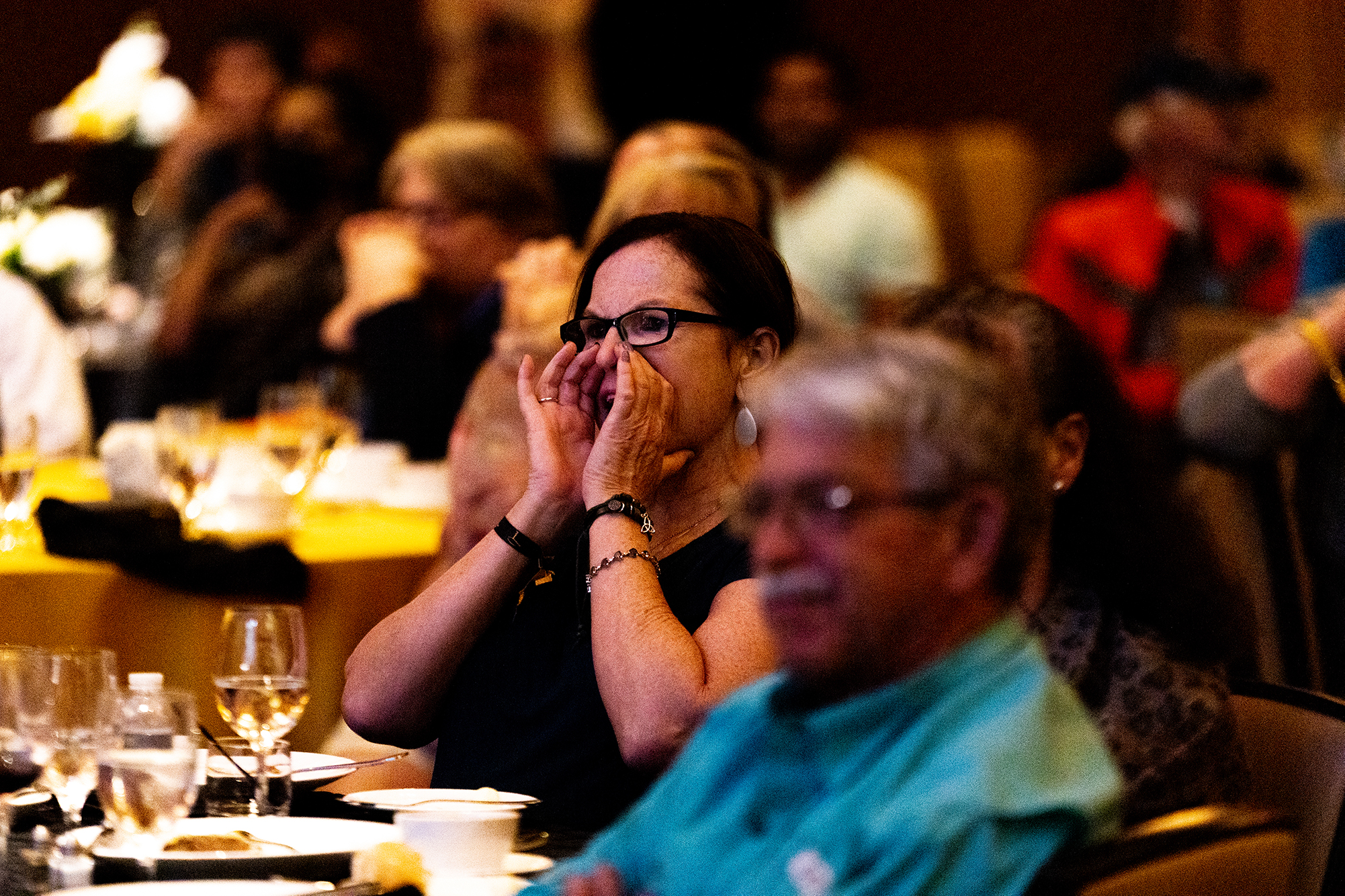
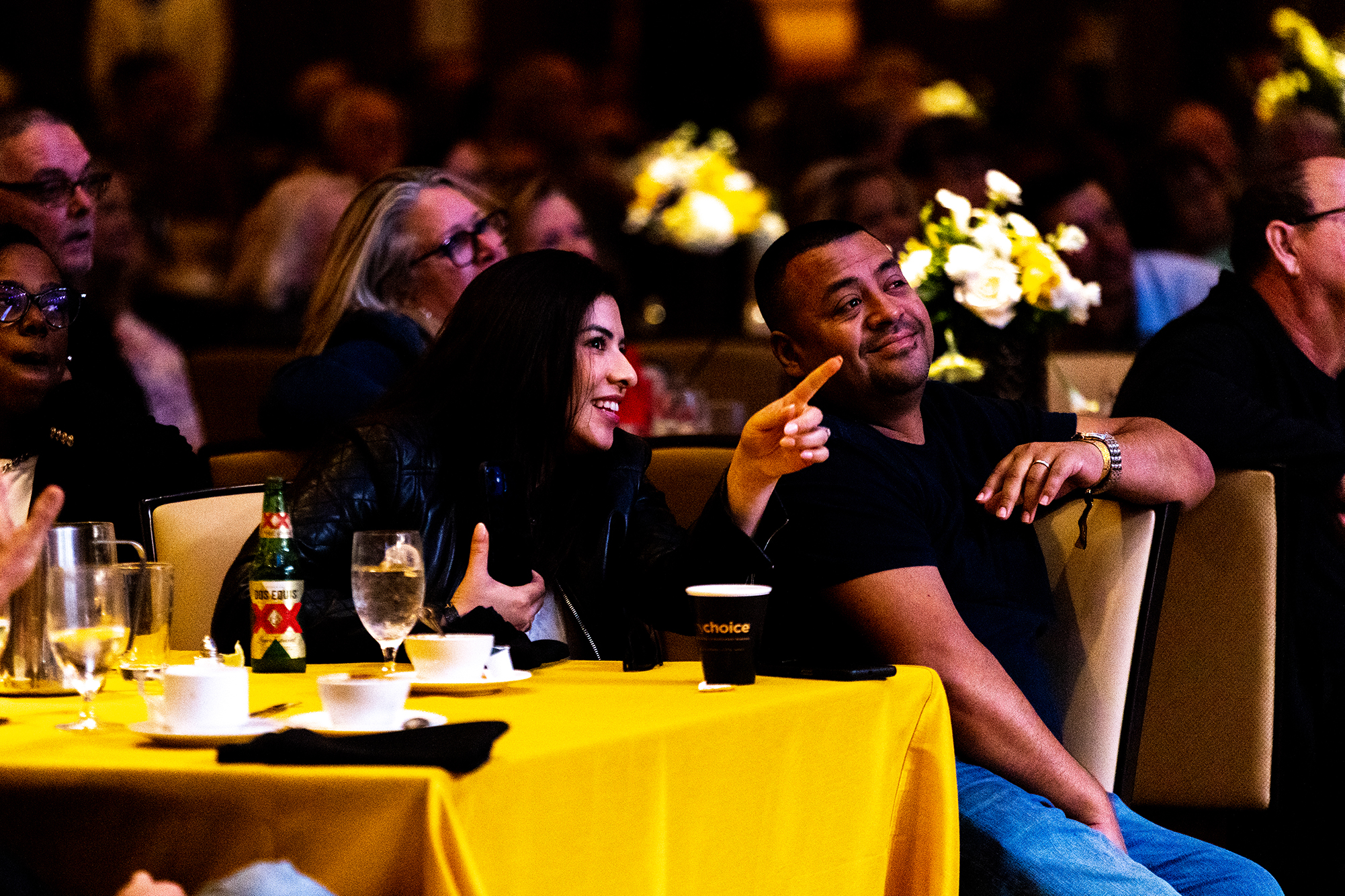
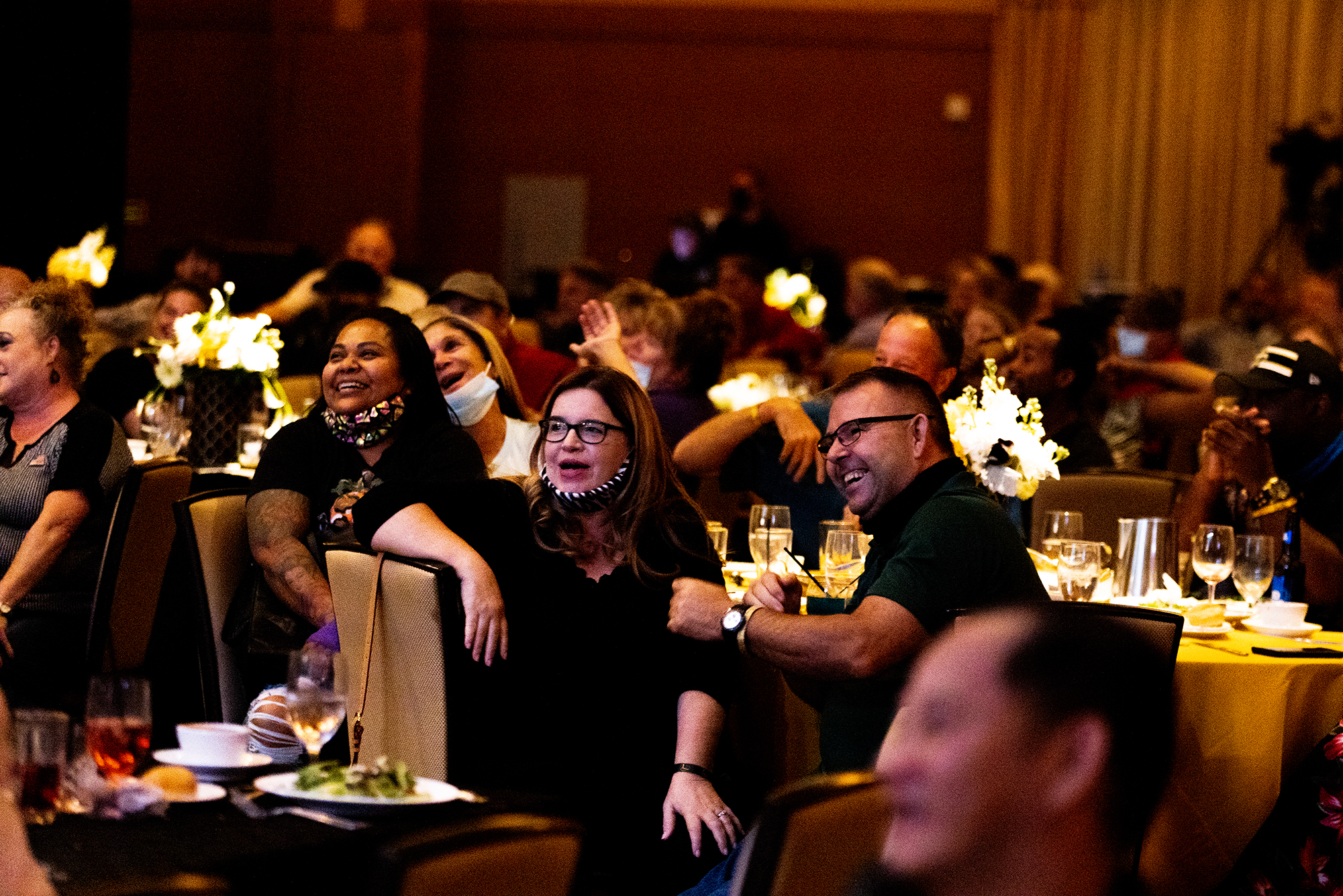
With lots of audience interactivity and multi-media video, this show will be fun for all ages as the lively host guides the contestants through the ups and downs of the negotiation as he asks the famous question: “Deal or No Deal?" With a contemporary feel that is true to the television show, and thousands of dollars in cash prizes that will be given away per show, Deal or No Deal LIVE! is an instant must-see.


The human brain is biologically wired for storytelling. While data and statistics provide the scope of a problem, stories provide the "why" and the "how." In the context of awareness campaigns, survivor stories serve as the emotional bridge between a distant issue and a person's empathy. For example, hearing that millions of people struggle with domestic violence is a staggering fact, but hearing a single survivor describe the moment they decided to leave their abuser makes the issue visceral. This connection is what motivates a bystander to become an advocate. Stories replace clinical definitions with human faces, making it impossible for the public to look away.
One of the most significant functions of survivor stories within awareness campaigns is the dismantling of stigma. Many issues, such as sexual assault, human trafficking, or mental health crises, are often shrouded in shame. Survivors who speak out effectively reclaim their agency. By saying "this happened to me," they signal to others that they are not alone and that the trauma does not define their worth. This public vulnerability creates a "permission structure" for other silent survivors to seek help. As more voices join the chorus, the societal "taboo" begins to erode, paving the way for more open, honest dialogue in schools, workplaces, and homes. rape videos 3gp exclusive
However, the intersection of storytelling and advocacy requires a commitment to "survivor-centered" ethics. It is vital that awareness campaigns do not exploit or re-traumatize the individuals sharing their experiences. Authentic advocacy must prioritize the consent, safety, and well-being of the survivor above the goals of the campaign. This means providing mental health support, ensuring the survivor has final say over how their story is edited, and acknowledging that healing is not a linear process. A campaign is only as successful as the respect it shows to the voices that power it. The human brain is biologically wired for storytelling
Beyond cultural shifts, the pairing of personal narratives and organized campaigns is a potent tool for legislative and systemic change. Lawmakers are often moved more by the testimony of a constituent than by a policy brief. The "Me Too" movement is perhaps the most prominent modern example of this. What began as a grassroots effort to support survivors of sexual violence became a global phenomenon that led to the passage of laws banning non-disclosure agreements in harassment cases and extending statutes of limitations. When survivor stories are curated into a strategic campaign, they provide the moral authority required to challenge powerful institutions and demand accountability. This connection is what motivates a bystander to
Survivor Stories and Awareness Campaigns: The Power of Lived Experience in Driving Social Change
The landscape of social justice and public health has undergone a radical transformation in recent years. We have moved away from a model where experts and academics exclusively dictate the narrative, shifting instead toward a world where lived experience is the primary catalyst for change. At the heart of this movement are survivor stories and awareness campaigns. Together, they form a symbiotic relationship that humanizes statistics, dismantles stigma, and forces legislative action. When an individual shares their journey of overcoming trauma, it creates a ripple effect that can alter the cultural fabric of society.
As we look toward the future of advocacy, the digital age offers unprecedented platforms for survivor stories to reach a global audience. Social media, podcasts, and digital documentaries have democratized the ability to raise awareness. Yet, the core mission remains the same: to turn private pain into public progress. By amplifying survivor stories through well-structured awareness campaigns, we do more than just educate the public. We build a more empathetic world where silence is no longer the default, and where the lessons of the past serve as the blueprint for a safer, more just future. Through the courage of those who speak, we find the collective strength to change.