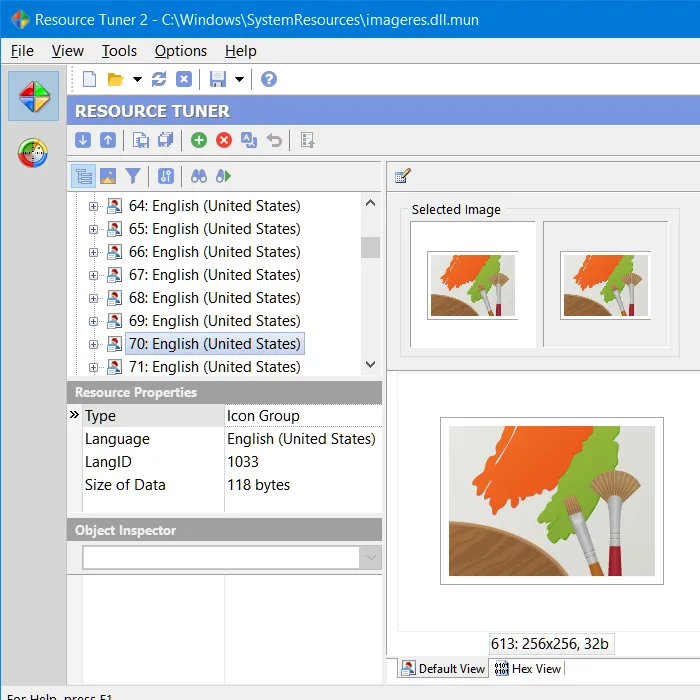
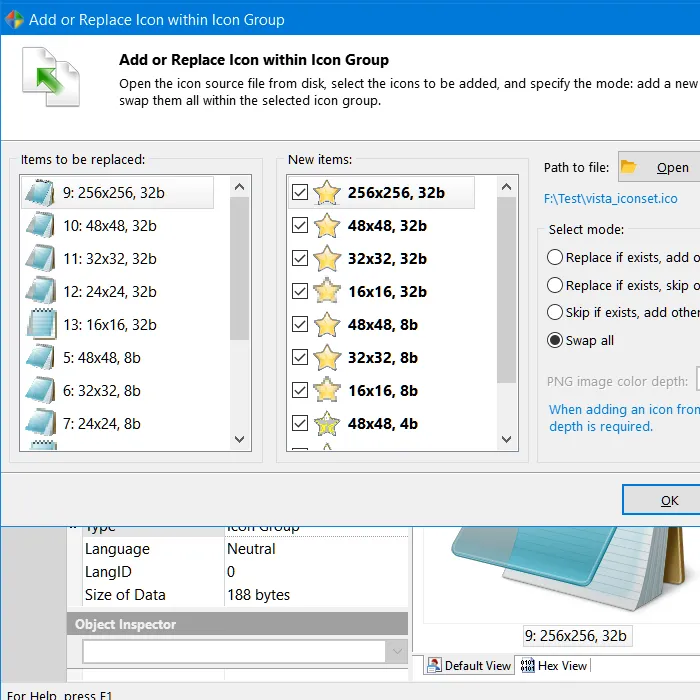
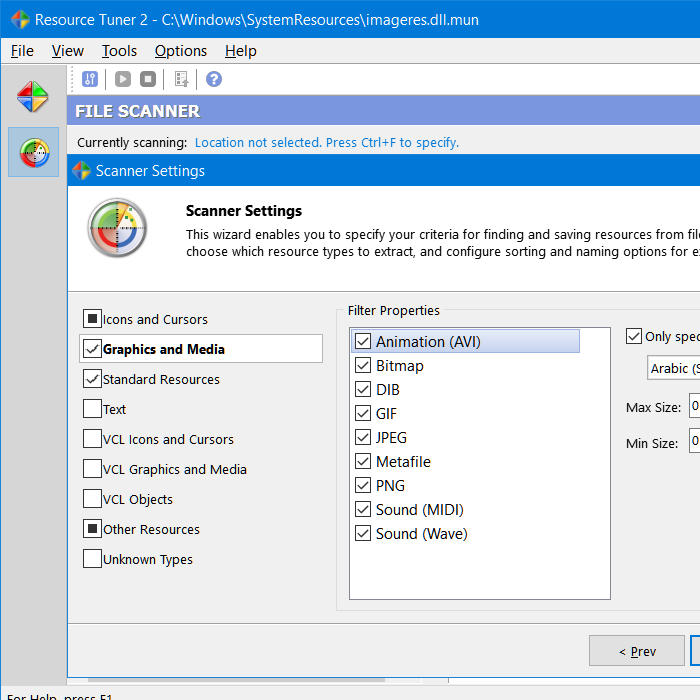
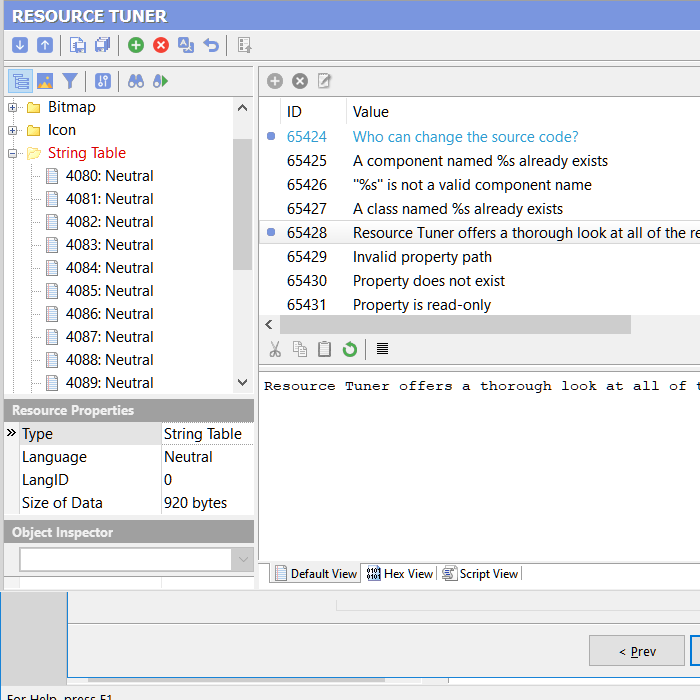
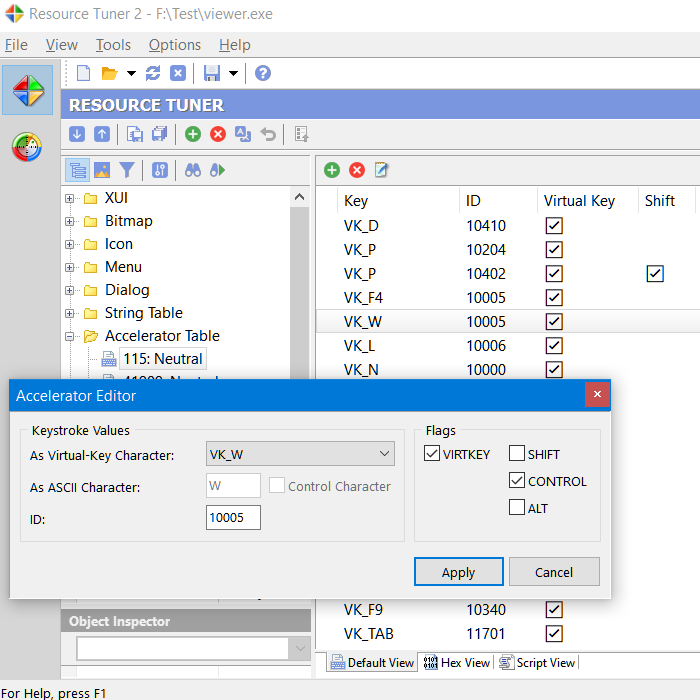
Get yourself one of the most popular Resource Editors out there and tweak your app’s resources, from icons to version data, in just a few clicks.
Resource Tuner — version 2.31 for
Windows 11/10/8/7/XP.

$49.95 per user
The Personal (Home) License allows you to use the program for non-commercial purposes in a non-business, home environment.
One-time payment, no recurring fees.
$89.95 per user
The Business License allows usage of the program in a business, academic, or government environment, applicable to both individuals and companies.
One-time payment, no recurring fees.
Resource Tuner runs on all versions of Windows, including 11, 10, 8, 7, Vista, and XP, and supports both 32-bit and 64-bit systems.
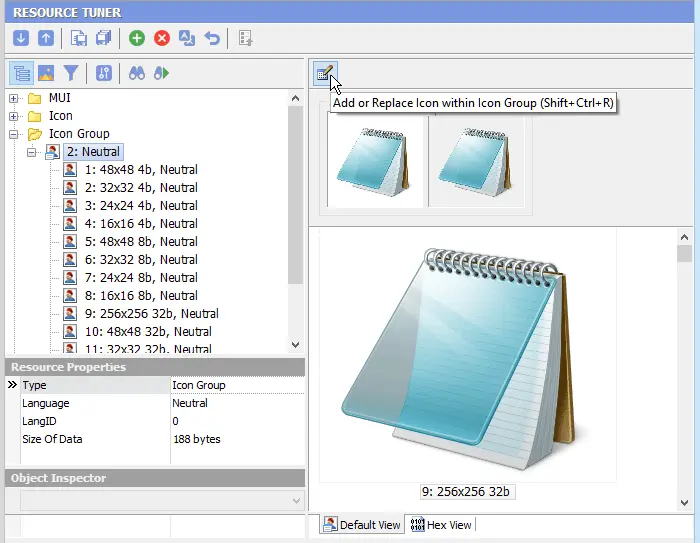
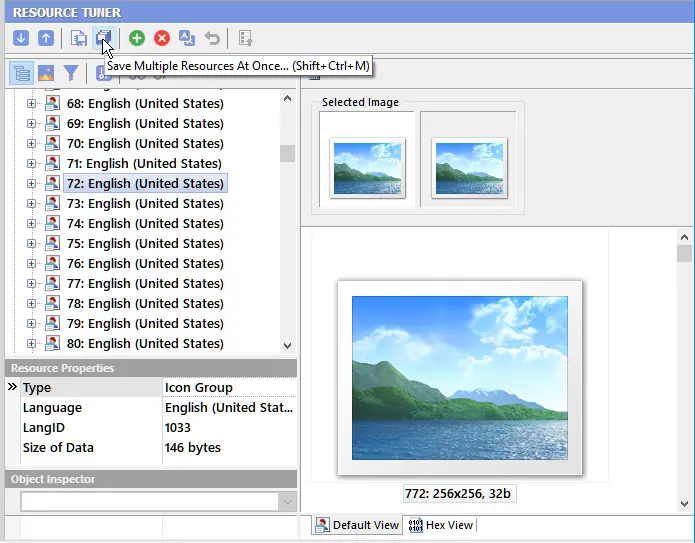
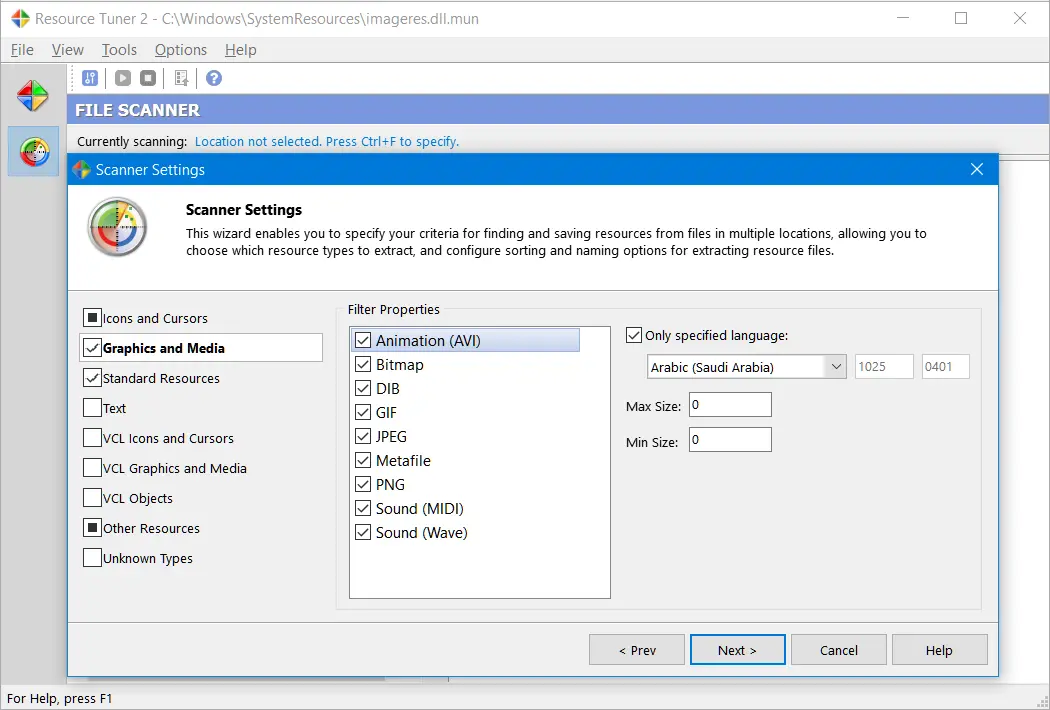
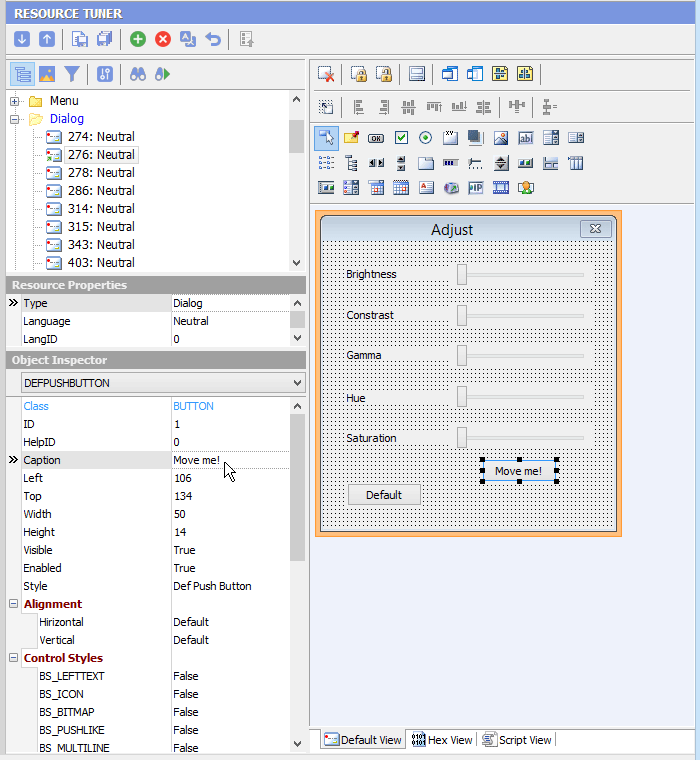
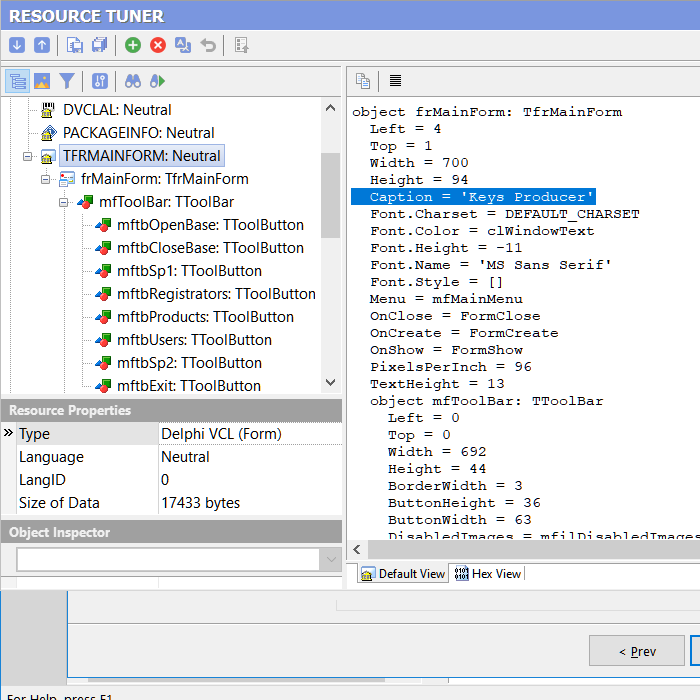
Resource Tuner offers a thorough look at all of the resources (bitmaps, jpeg, icons, strings, dialogs, PNG compressed icons, XML, Image Lists, Type Library, version information) in the compiled executable file, and allows you to make modifications without needing to recompile the source code.
The appeal of school-based romantic storylines lies in the unique environment of the educational setting. In these narratives, the school is more than just a backdrop; it is a pressure cooker where social hierarchies, academic stress, and burgeoning hormones collide. Relationships in this genre often focus on the "purity" of first encounters. Whether it is a crush on a childhood friend or the magnetic pull of a mysterious transfer student, these stories emphasize the intensity of emotions that feel world-ending at age sixteen.
Ultimately, relationships and romantic storylines involving school-themed narratives endure because they remind us of a time when everything felt new. They provide a safe space to explore the messy, beautiful, and often confusing journey of falling in love for the first time. By focusing on the emotional growth of the characters, these stories transcend their setting and offer timeless insights into the human heart.
Culturally, these stories vary significantly. In Japanese media, the "colegiala" aesthetic is often tied to the concept of seishun (youth), a fleeting, beautiful period of life that must be cherished. In Latin American and Western dramas, the focus might lean more toward social rebellion and the breaking of traditional norms. Regardless of the cultural lens, the core remains the same: the exploration of how young women navigate their first experiences with love, heartbreak, and self-discovery.
One of the most common tropes in these storylines is the "slow burn." Because the characters are often bound by the rules of school and the oversight of parents, their romantic progression is marked by subtle gestures—a shared umbrella during a rainstorm, a secret note left in a locker, or the quiet intimacy of studying together in a library. These moments build a sense of anticipation that keeps the audience invested. The conflict often stems from internal hurdles, such as the fear of rejection or the struggle to find one's identity, rather than external villains.
The concept of "colegialas"—or schoolgirl-themed narratives—occupies a massive space in global pop culture, particularly within the realms of anime, young adult literature, and international television dramas. These stories resonate because they capture a universal turning point: the transition from childhood innocence to the complex realities of adult intimacy. At the heart of this genre are the relationships and romantic storylines that define the teenage experience, blending nostalgia with the high-stakes drama of first love.
The appeal of school-based romantic storylines lies in the unique environment of the educational setting. In these narratives, the school is more than just a backdrop; it is a pressure cooker where social hierarchies, academic stress, and burgeoning hormones collide. Relationships in this genre often focus on the "purity" of first encounters. Whether it is a crush on a childhood friend or the magnetic pull of a mysterious transfer student, these stories emphasize the intensity of emotions that feel world-ending at age sixteen.
Ultimately, relationships and romantic storylines involving school-themed narratives endure because they remind us of a time when everything felt new. They provide a safe space to explore the messy, beautiful, and often confusing journey of falling in love for the first time. By focusing on the emotional growth of the characters, these stories transcend their setting and offer timeless insights into the human heart.
Culturally, these stories vary significantly. In Japanese media, the "colegiala" aesthetic is often tied to the concept of seishun (youth), a fleeting, beautiful period of life that must be cherished. In Latin American and Western dramas, the focus might lean more toward social rebellion and the breaking of traditional norms. Regardless of the cultural lens, the core remains the same: the exploration of how young women navigate their first experiences with love, heartbreak, and self-discovery.
One of the most common tropes in these storylines is the "slow burn." Because the characters are often bound by the rules of school and the oversight of parents, their romantic progression is marked by subtle gestures—a shared umbrella during a rainstorm, a secret note left in a locker, or the quiet intimacy of studying together in a library. These moments build a sense of anticipation that keeps the audience invested. The conflict often stems from internal hurdles, such as the fear of rejection or the struggle to find one's identity, rather than external villains.
The concept of "colegialas"—or schoolgirl-themed narratives—occupies a massive space in global pop culture, particularly within the realms of anime, young adult literature, and international television dramas. These stories resonate because they capture a universal turning point: the transition from childhood innocence to the complex realities of adult intimacy. At the heart of this genre are the relationships and romantic storylines that define the teenage experience, blending nostalgia with the high-stakes drama of first love.