

High quality often refers to productions that have been preserved or remastered from original film or high-grade tapes, allowing for clearer visuals compared to standard broadcast or VHS quality.
In historical media research, performers like Rebecca who appeared in these types of high-production-value environments are often cited as examples of the industry's move toward professionalization and better visual storytelling standards. Understanding these shifts helps illustrate how visual media has evolved to meet increasing audience demands for higher technical fidelity.
Creating an atmosphere of spontaneity that contrasts with highly choreographed traditional productions. woodman casting rebecca high quality
Professional productions are distinguished by the use of three-point lighting and thoughtful set design, even in "reality" or "audition" formats that aim for a naturalistic look.
Using handheld cameras or specific angles to mimic a "behind-the-scenes" feel. High quality often refers to productions that have
The use of lapel or boom microphones ensures that dialogue and environmental sounds are captured with clarity, which is a hallmark of higher production budgets. The Evolution of the Casting Sub-Genre
Providing a narrative background for the subjects involved. Creating an atmosphere of spontaneity that contrasts with
The "casting" or "audition" format has been used across many media landscapes to create a sense of realism and intimacy. This style often involves:
When assessing the quality of older media productions, several technical factors are often highlighted:

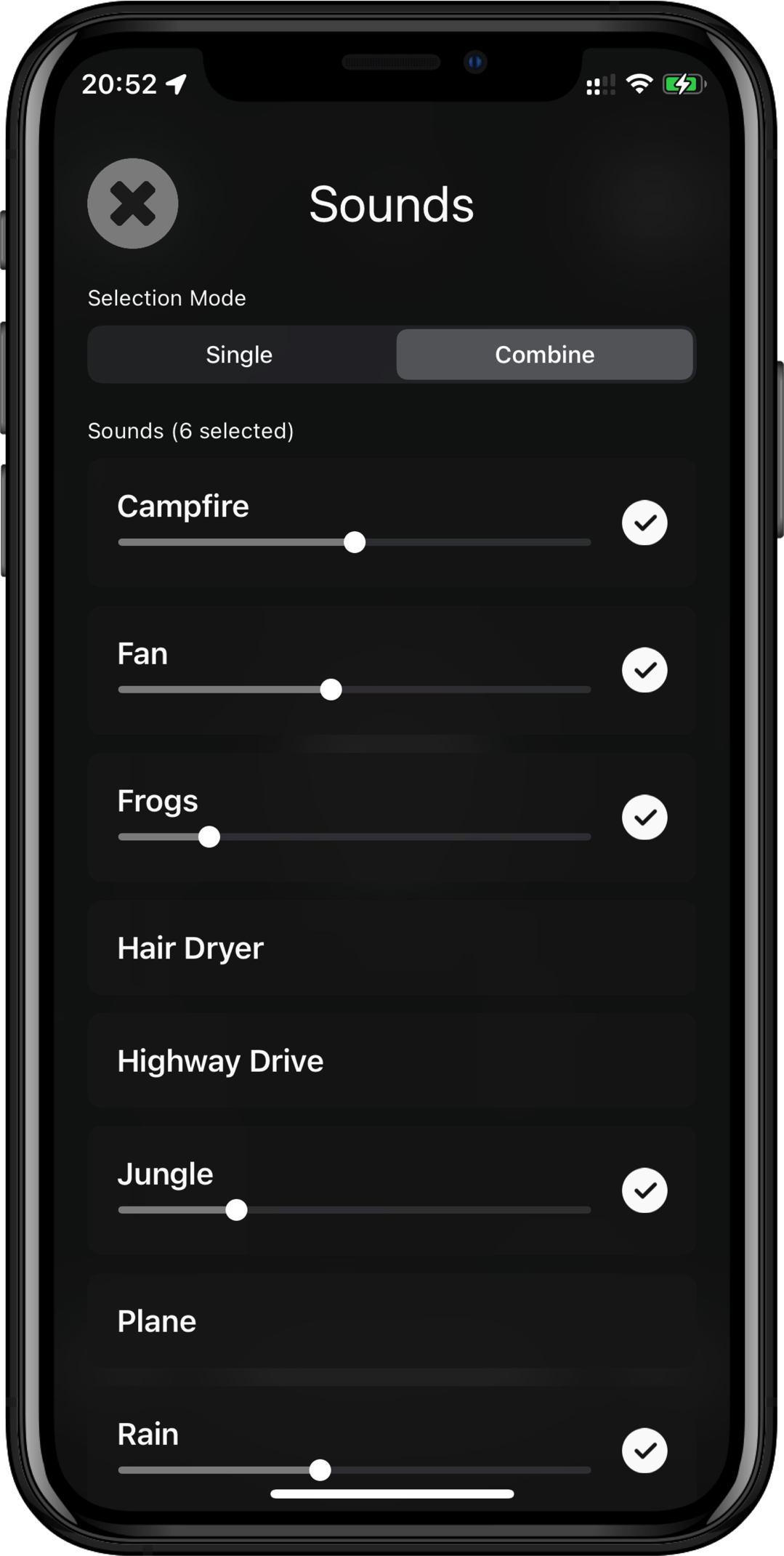
Choose from a choice of relaxing sleep sounds including:
Benefits of White Noise
For Adult Sleep
Block out unwanted noises
Prevent the effects of tinnitus
Cue your body and mind that it’s time to fall asleep
Decrease stress levels
For Babies
Create an soundscape that reminds them of the womb
Provide them with a cue that it’s nap time
Distract from external stimulus
For Studying
Improve focus by blocking out distractions